 blog
Benefits of Janoshik Verified Peptides for Research
Table of Contents
- What Janoshik Verification Means for Research Compounds
- How to Verify Peptide Purity Using Batch Reports
- Interpreting Mass Spectrometry Reports for Peptide Research
- Key Benefits of Janoshik Verified Peptides in Laboratory Settings
- Endotoxin and Heavy Metal Screening: What the Reports Show
- Risks of Unverified Research Chemicals and How Verification Mitigates Them
- How Online Peptide Sales Handles Verification and Shipping
- Conclusion
- Frequently Asked Questions
Last Updated: September 30, 2026
What Janoshik Verification Means for Research Compounds
Janoshik verified peptides are research compounds whose identity and purity have been checked by an independent analytical laboratory, with the results published as a batch-specific certificate of analysis. For Online Peptide Sales, that means every identified batch ships with a report a lab manager can actually read, not a generic PDF reused across orders.
Why does this matter so much? Because a peptide's label tells you what someone claims is in the vial. A third-party report tells you what is actually in it.
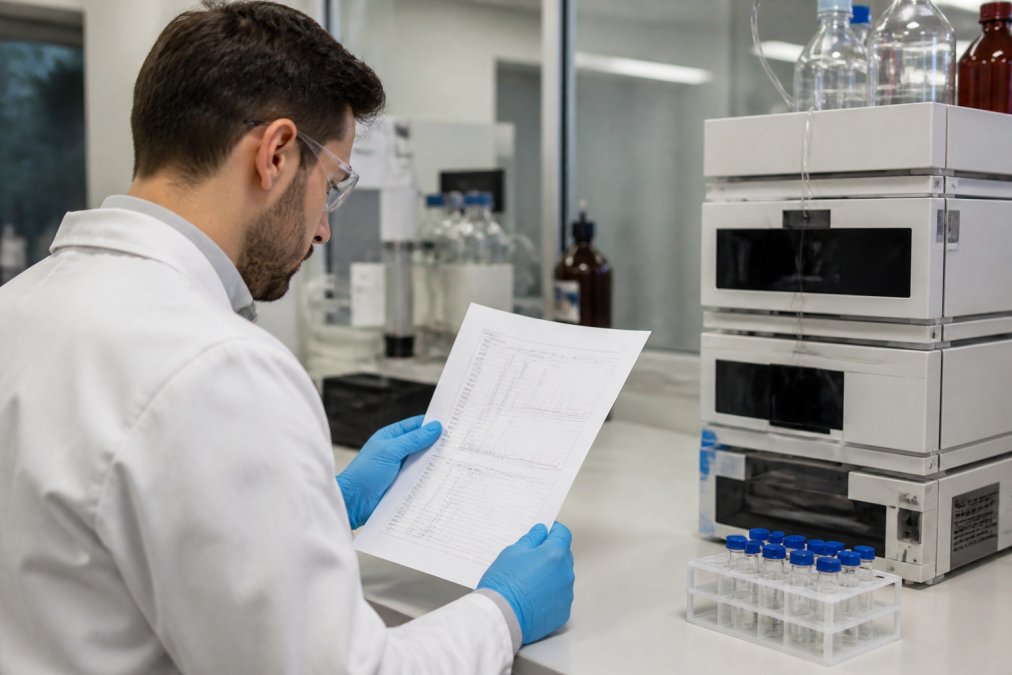
Why Third-Party Testing Matters for Compound Integrity
In-house testing has a built-in conflict. The same party that sells the compound also grades it. Independent testing removes that conflict, because a separate analytical laboratory has no stake in the result.
A common mistake is treating any PDF as proof. What matters is who ran the test, which batch it covers, and whether the numbers match the vial in your hand.
The Role of Independent Analytical Laboratories
Independent labs run standardized testing on submitted samples: chromatography to separate and quantify the compound, mass spectrometry to confirm its molecular weight, and screening for endotoxins and heavy metals. The output is an analytical report tied to a specific batch. That report is the backbone of quality assurance in research supply.
How to Verify Peptide Purity Using Batch Reports
Verifying peptide purity starts with matching three things: the batch number on your vial, the batch number on the report, and the test date. If any of those three do not line up, the report does not apply to your material. The step often skipped is independent cross-referencing, confirming the report you were handed actually exists in the issuing laboratory's own records, not just on the seller's website.
Here is a practical verification workflow that goes past the surface:
- Locate the batch or lot number printed on the vial label. Photograph it before you open the kit; labels can smudge.
- Open the certificate of analysis for that exact batch. Confirm the file name or header references the same lot code.
- Cross-reference the report against the issuing laboratory's public database. Independent analytical laboratories that publish batch results maintain a searchable index keyed by report number or sample ID. Enter the identifier from the PDF and confirm the record returns the same compound, the same test date, and the same purity figure. A report that cannot be found in the lab's own index is not verifiable, regardless of how professional the PDF looks.
- Confirm the test date falls within a reasonable window relative to your order. A report dated two years before the batch shipped tells you nothing about the material in your hand.
- Check the purity percentage and read the impurity profile. Note both the main peak and any secondary peaks the chromatogram shows.
- Confirm the reported molecular weight matches the expected value for the compound (see the mass spectrometry section below).
- Review endotoxin and heavy metal results against the limits stated on the report.
- Save the report alongside your lab records, including the cross-reference confirmation (a screenshot of the database hit works).
That last step matters more than people think.
Reading Purity Percentages and Impurity Profiles
A purity percentage states how much of the sample is the target compound. The impurity profile shows what makes up the rest. Two batches can report the same purity and still differ, because the nature of the impurities matters as much as the total.
What the Numbers Actually Mean for Your Research
Purity, mass confirmation, and contamination screening answer three different questions, and a report that answers only one of them is incomplete:
- Purity (chromatography) answers: how much of this sample is the compound I ordered?
- Mass (spectrometry) answers: is the compound I ordered actually the compound in this vial?
- Contamination screening (endotoxin, heavy metals) answers: is there anything in this vial that should not be there at all?
Interpreting Mass Spectrometry Reports for Peptide Research
Interpreting mass spectrometry reports comes down to one question: does the observed molecular weight match the expected molecular weight for the compound? Mass spectrometry ionizes the sample and measures the mass-to-charge ratio of the resulting ions. The pattern that comes back is a fingerprint of the molecule.
Molecular Weight Confirmation and Compound Authenticity
Molecular weight confirmation is the clearest test of compound authenticity available to a buyer. A certificate of analysis that reports a matching mass, a clean impurity profile, and a defined purity percentage gives you three independent checks on the same vial.
Key Benefits of Janoshik Verified Peptides in Laboratory Settings
The core benefit of janoshik verified peptides is confidence backed by documentation. A verified batch gives a lab a paper trail that supports reproducibility, which is the foundation of credible research.
The practical advantages stack up quickly:
- Batch-specific data instead of generic claims
- Analytical benchmarks you can compare across orders
- Reduced risk of confounding variables from impure material
- Defensible records for internal review or publication
- Consistent sourcing when repeat orders come from the same process
Endotoxin and Heavy Metal Screening: What the Reports Show
Endotoxin and heavy metal screening covers two risks that a purity percentage alone will not catch. Endotoxins are bacterial fragments that can trigger strong biological responses. Heavy metals can contaminate a sample through raw materials or equipment.
Risks of Unverified Research Chemicals and How Verification Mitigates Them
Unverified research chemicals carry four main risks: wrong identity, lower purity than claimed, undetected contamination, and no traceability. Each one corrupts a study in a different way, and none of them announce themselves. Understanding the mechanism behind each risk is what separates a lab that verifies from a lab that hopes.
| Risk | What It Looks Like | How Verification Helps | What It Costs You If Missed |
|---|---|---|---|
| Wrong identity | A different compound than labeled | Mass spectrometry confirms molecular weight | Unreplicable results; wasted study cycles |
| Low purity | Impurities above expected levels | Chromatography quantifies purity and impurity profile | Skewed dose-response; off-target signals |
| Contamination | Endotoxins or heavy metals present | Screening reports measured levels against limits | Confounded biological readouts; safety concerns |
| No traceability | Report does not match the vial | Batch-specific certificate links report to lot | No defensible record for review or publication |
Why Independent Testing Removes the Conflict of Interest
In-house testing has a built-in conflict: the same party that sells the compound also grades it. Independent testing removes that conflict because a separate analytical laboratory has no stake in the result. The report that comes back is tied to a batch, not to a sales target.
How Online Peptide Sales Handles Verification and Shipping
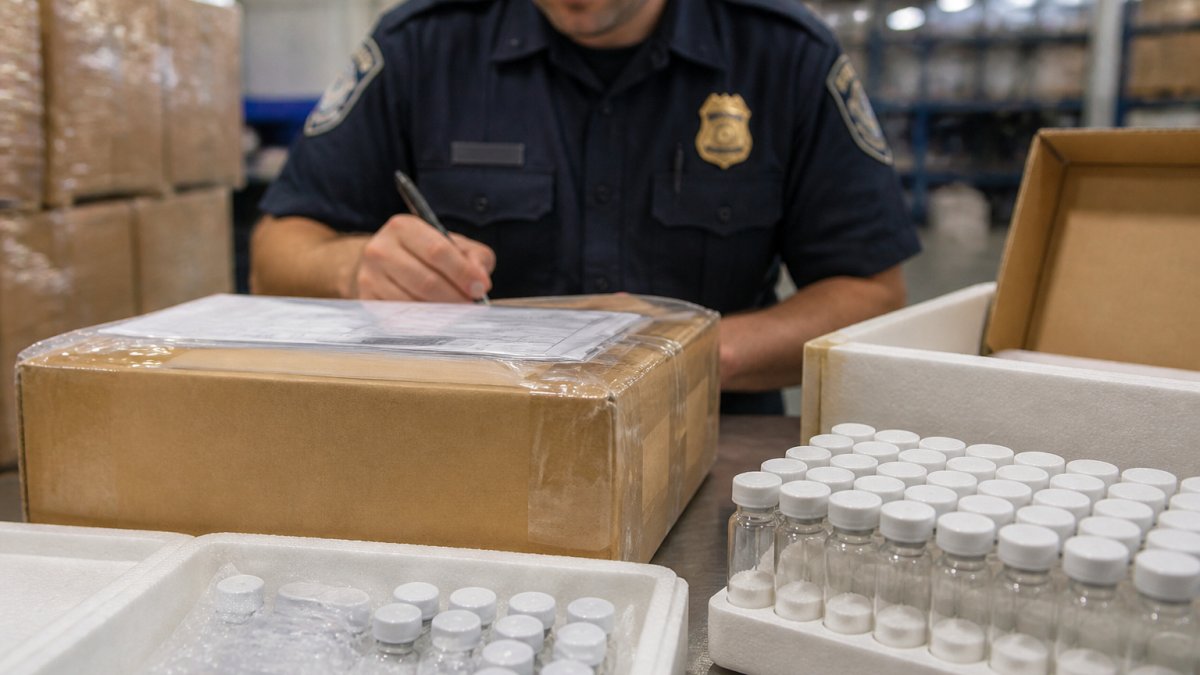
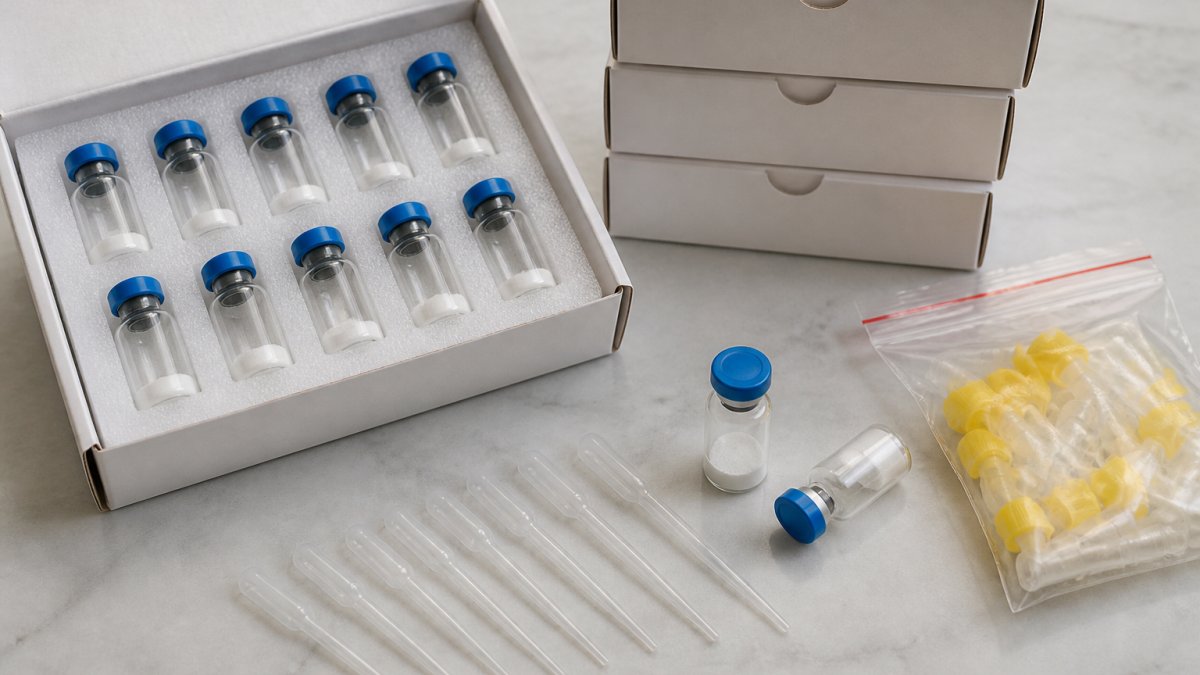
Online Peptide Sales supplies research compounds in 10-vial kits, sourced directly from manufacturers in China, with Janoshik-verified batch reports available for identified samples. The company operates as an authorized reseller of onlinepeptides.com and provides secure export packaging with tamper-evident seals for transit.
Conclusion
Verified documentation turns a peptide purchase from a guess into a traceable transaction. The workflow is not complicated: match the batch number, read the purity and impurity data, confirm the molecular weight, and check the endotoxin and heavy metal screens. Labs that build that habit into procurement spend less time chasing inconsistent results and more time on the research itself.
Frequently Asked Questions
What is Janoshik verification for peptides?
Janoshik verification refers to third-party analytical testing performed by an independent laboratory to confirm the identity, purity, and safety of research peptides. The process typically involves mass spectrometry to verify molecular weight and chromatography to assess purity percentage. A Janoshik-verified batch report gives researchers documented evidence that a specific batch meets analytical benchmarks before it is used in controlled studies. Online Peptide Sales provides these reports for identified batches so procurement officers and principal investigators can review compound integrity data before ordering.
How does mass spectrometry verify peptide purity?
Mass spectrometry measures the mass-to-charge ratio of ionized molecules, producing a spectrum that reveals the molecular weight of a peptide. If the observed molecular weight matches the expected value for the target compound, researchers gain confidence in compound authenticity. Additional peaks in the spectrum can indicate impurities or degradation products. When interpreting mass spectrometry reports, look for a dominant peak at the expected mass and minimal secondary peaks. This analytical validation step is central to how to verify peptide purity before committing a batch to a study.
Why is third-party testing important for research peptides?
Third-party testing removes the conflict of interest that exists when a supplier tests its own products. An independent analytical laboratory has no financial stake in whether a batch passes or fails, so its results carry more weight. For research-grade compounds, third-party testing confirms purity percentage, detects heavy metal screening failures, and screens for endotoxin levels. Without it, researchers risk using compounds with unknown impurity profiles, which can invalidate experimental results and waste both time and budget.
Does Janoshik verification ensure product consistency across batches?
Verification confirms the quality of a specific batch at the time of testing, but consistency across batches depends on the supplier's manufacturing and quality assurance practices. Batch-specific reports allow researchers to compare purity percentages, impurity profiles, and molecular weight data from one order to the next. If a new batch shows a different chromatography profile or unexpected mass spectrometry peaks, that signals a change in the supply chain. Online Peptide Sales provides batch-specific Janoshik reports so lab managers can track consistency over repeat orders.