 blog
High Quality Research Peptide Kits: What to Check
Table of Contents
- What Separates High Quality Research Peptide Kits From the Rest
- Why 10-Vial Peptide Kits Fit Most Laboratory Research
- Reading Peptide Batch Reports and Certificates of Analysis
- Research Peptide Storage After Delivery
- Peptide Kit Shipping and Packaging: What Secure Transit Looks Like
- How to Evaluate a Research Peptide Kit Before You Order
- Conclusion
- Frequently Asked Questions
Last Updated: October 12, 2026
What Separates High Quality Research Peptide Kits From the Rest
High quality research peptide kits are defined by documented identity testing, verified purity, secure packaging, and transparent batch records. This guide from Online Peptide Sales breaks down what to check before any purchase, from certificates of analysis to cold-chain shipping.
The gap between a reliable research peptide kit and a questionable one rarely shows up in the marketing copy. It shows up in the paperwork: batch-specific test reports, HPLC traces, and packaging that survives transit. Labs that skip this verification step often discover problems only after an experiment fails to reproduce.
Below, the differences that matter most are broken into eight checkpoints, each one tied to a document or physical detail a buyer can actually inspect.
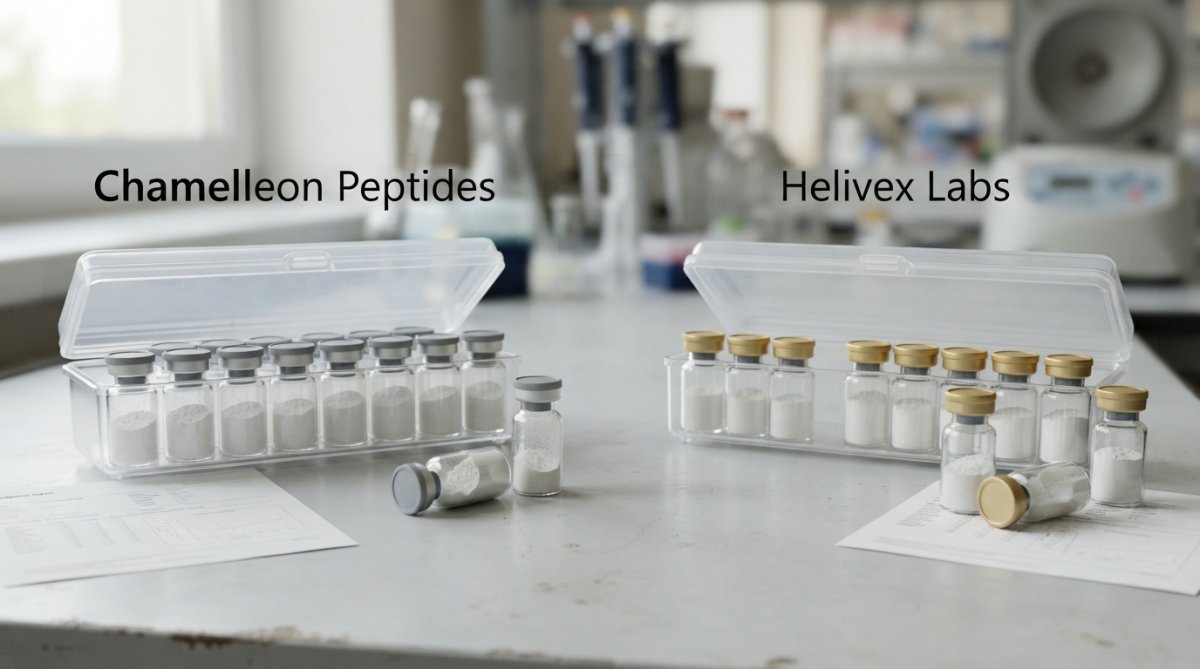
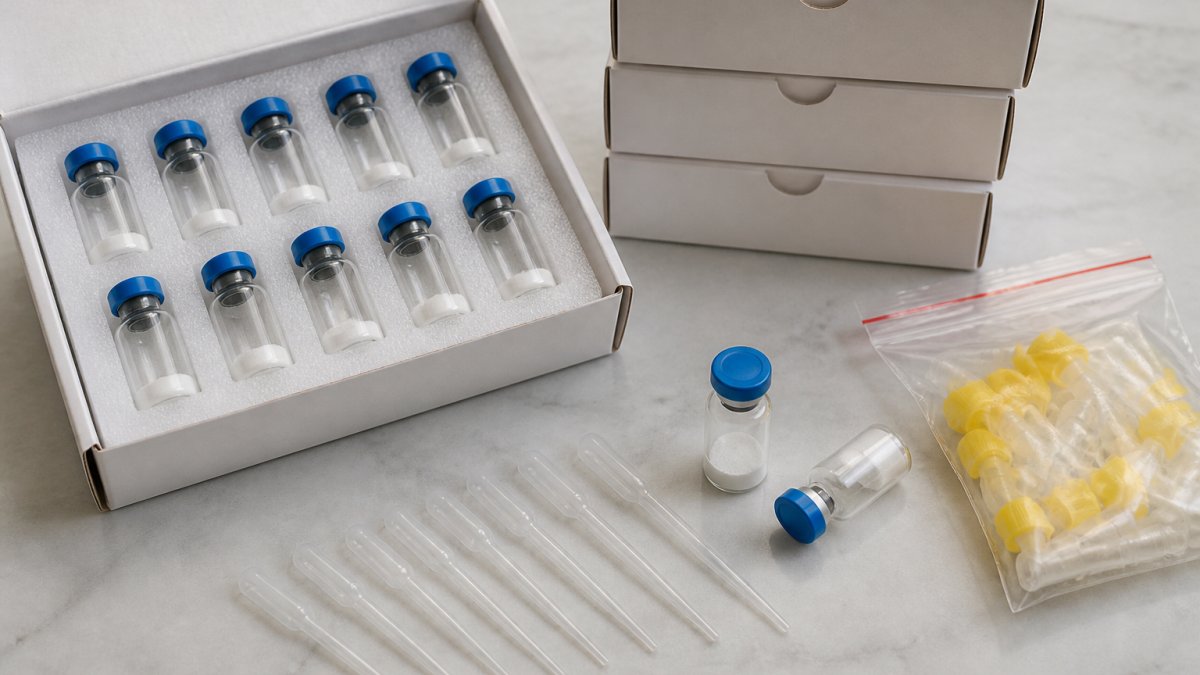
Why 10-Vial Peptide Kits Fit Most Laboratory Research
A 10-vial kit matches the typical structure of a controlled study, where multiple replicates run in parallel and a reserve supply covers repeat runs. Buying in this format also tends to unlock volume pricing that single-vial orders do not.
For most academic and private lab workflows, ten vials cover a full experimental series without forcing a mid-study reorder. That matters because a reorder can arrive from a different batch, and batch-to-batch variation complicates reproducibility. Keeping one batch number across a study removes a variable researchers cannot control for after the fact.
Smaller orders make sense for pilot runs or a single assay. Larger orders suit multi-phase protocols. Online Peptide Sales supplies standard 10-vial research kits and works with buyers on custom quantities when a protocol calls for a different count.
When a Standard Kit Size Works and When to Ask for Custom Quantities
Standard kits fit most single-phase studies and pilot work. Custom quantities become the better choice when a protocol spans several phases, when multiple researchers draw from one supply, or when a lab wants a single batch reserved for a long-running project. The deciding factor is usually batch consistency, not budget. A lab that splits a study across two shipments risks comparing results from two different production runs.
Reading Peptide Batch Reports and Certificates of Analysis
A certificate of analysis is a batch-specific document that reports identity, purity, and testing method for one production lot. It should name the batch, the test method, and the result, not just assert a purity figure.
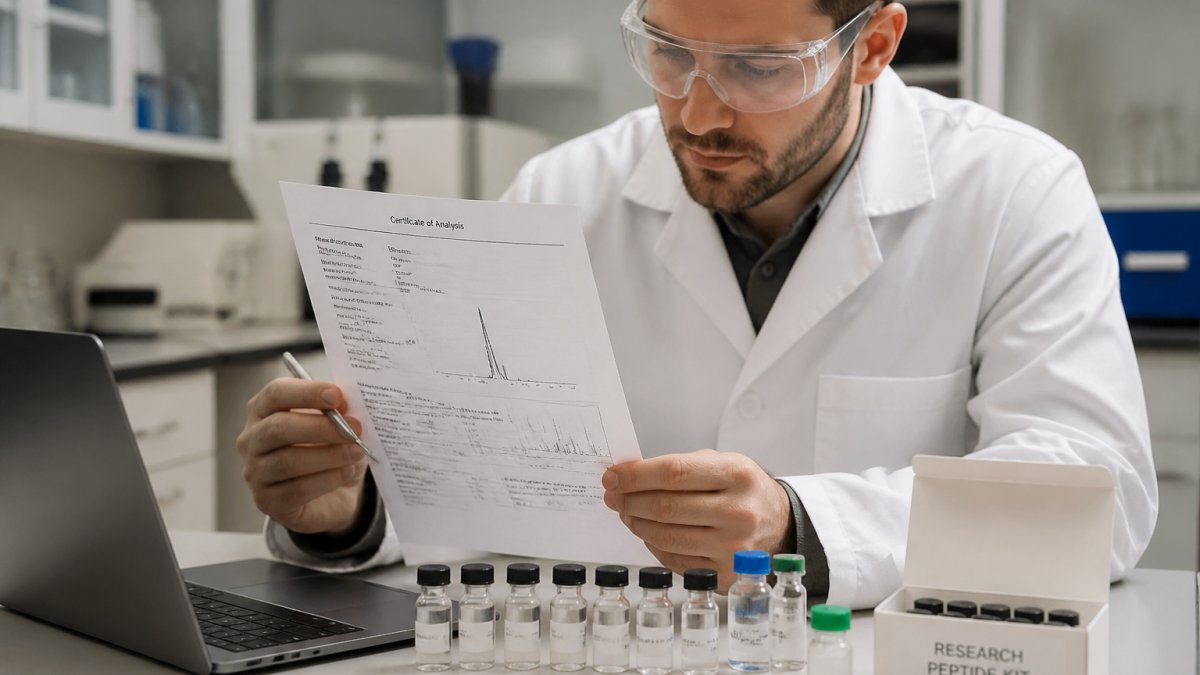
What most buyers miss is that a generic certificate proves nothing about the vial in their hand. The document has to match the batch number printed on the packaging. Online Peptide Sales provides Janoshik-verified batch reports for identified samples, which lets a buyer trace a specific lot back to its test record.
How HPLC Analysis and Purity Results Are Reported
HPLC analysis separates the components of a sample and reports them as a chromatogram, where the main peak represents the target compound and smaller peaks represent impurities. A purity figure is the percentage of the total peak area accounted for by that main peak.
Reading the trace matters as much as reading the number. A single sharp peak with minimal secondary peaks signals a clean sample. A cluster of smaller peaks around the main one can indicate related impurities that a headline purity percentage hides. Buyers evaluating a research peptide kit should ask for the chromatogram itself, not just the summary line.
Research Peptide Storage After Delivery
Research peptide storage begins the moment a shipment arrives. Lyophilized peptides generally tolerate ambient transit better than reconstituted material, but both benefit from controlled conditions once unpacked.
A practical routine for most labs:
- Inspect vials for cracks, loose caps, or damaged seals before anything else
- Confirm the batch number on each vial matches the certificate of analysis
- Store lyophilized vials in a freezer at a stable temperature, away from light
- Limit freeze-thaw cycles by aliquoting material before reconstitution
- Keep reconstituted solutions refrigerated and use them within the window the protocol specifies
Peptide Kit Shipping and Packaging: What Secure Transit Looks Like
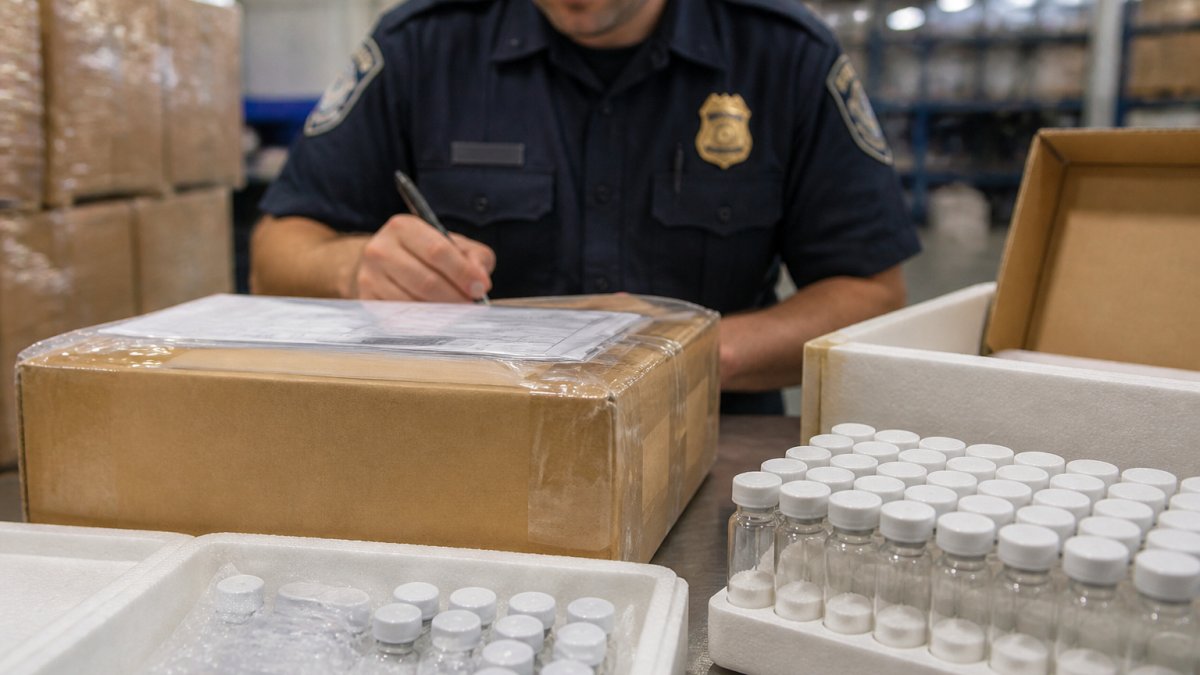
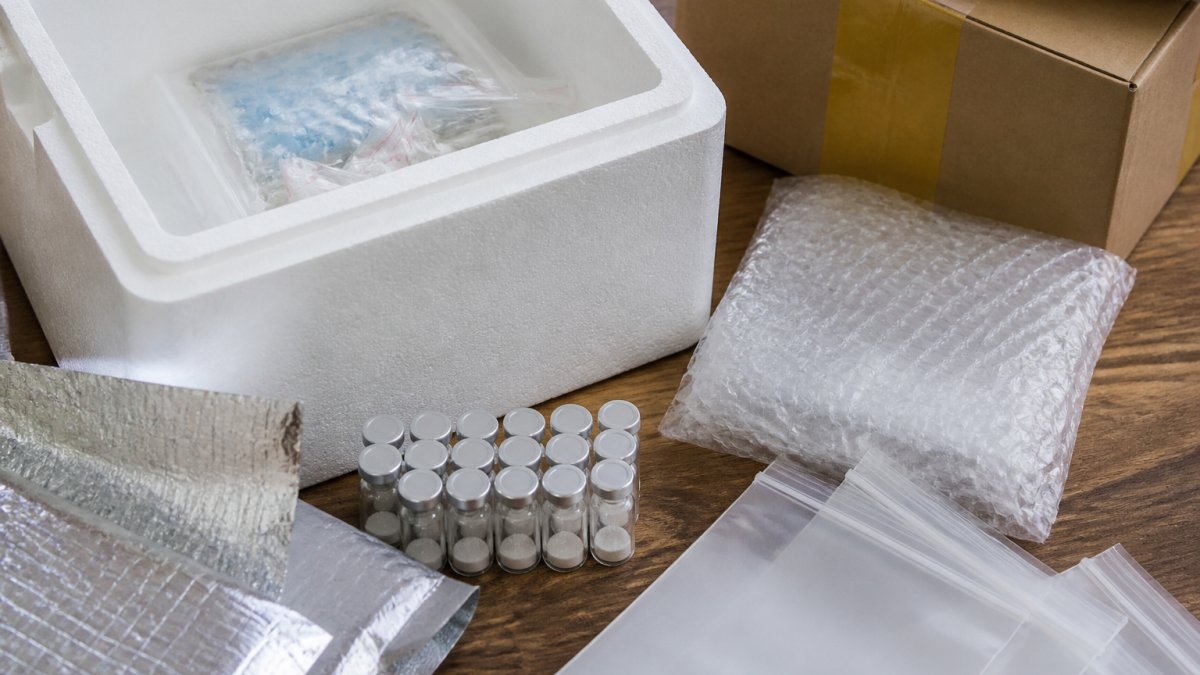
Secure transit depends on three things: tamper-evident packaging, temperature-appropriate insulation, and tracking that lets a lab plan for arrival. Packaging that hides handling damage is the most frequent failure point.
Online Peptide Sales ships in secure export packaging with tamper-evident seals, so a recipient can tell whether a shipment was opened in transit. Express international shipping through major carriers keeps transit windows short, which matters for temperature-sensitive material. An optional delivery guarantee covers replacement or refund if a shipment does not arrive as expected.
For buyers, the practical question is documentation. A supplier that handles customs paperwork and provides tracking reduces the chance of a shipment sitting at a border checkpoint long enough to compromise the contents.
How to Evaluate a Research Peptide Kit Before You Order
Evaluating a research peptide kit comes down to documentation, traceability, and supplier reliability, checked in that order. A supplier that answers documentation questions quickly and specifically is usually the one worth ordering from.
Run through this checklist before committing:
- Request a batch-specific certificate of analysis and confirm it names the exact lot
- Ask for the HPLC chromatogram, not only the purity summary
- Verify the batch number will match the vials shipped
- Confirm packaging is tamper-evident and temperature-appropriate
- Ask how customs documentation and delivery issues are handled
- Clarify the replacement or refund terms in writing before ordering
- Check whether custom quantities are available for multi-phase protocols
How to Read a Certificate of Analysis Line by Line
A certificate of analysis is only useful if you can audit it. Most reports share a common structure, and each field answers a specific question:
- Batch or lot number, must match the number printed on the vial label. A mismatch means the report describes a different production run.
- Test method, should name the technique used, such as reverse-phase HPLC for purity and mass spectrometry for identity. A report that lists a purity figure without naming a method is incomplete.
- Purity result, usually expressed as a percentage of total peak area. Treat it as a summary, not a guarantee.
- Identity confirmation, a mass spectrometry result showing the observed molecular weight against the expected weight. This is what confirms the vial contains the intended compound rather than a related one.
- Appearance and fill, a description of the lyophilized powder and the stated quantity per vial.
- Testing date, a report older than the batch it claims to cover is a red flag.
A common pattern is a report that lists purity but omits identity testing. Purity alone tells you how clean a sample is, not what the sample is. Both fields matter.
How to Read an HPLC Chromatogram
HPLC analysis separates the components of a sample and reports them as a chromatogram, where the main peak represents the target compound and smaller peaks represent impurities. A purity figure is the percentage of the total peak area accounted for by that main peak.
Reading the trace matters as much as reading the number. A single sharp peak with minimal secondary peaks signals a clean sample. A cluster of smaller peaks around the main one can indicate related impurities that a headline purity percentage hides. Buyers evaluating a research peptide kit should ask for the chromatogram itself, not just the summary line.
When you look at a trace, check three things:
- Peak shape, a symmetric, narrow peak suggests a clean separation. A broad or split peak can indicate co-eluting compounds.
- Baseline, a flat baseline with minimal noise supports a reliable integration. A drifting baseline makes the reported percentage less trustworthy.
- Secondary peaks, note their size relative to the main peak. Small shoulders are common; large neighboring peaks deserve a question to the supplier.
Traceability, Batch Variation, and the Limits of Purity Claims
A purity percentage describes one tested sample, not every vial in the lot. Production variation means two vials from the same batch can differ slightly, and two batches can differ more. This is why lot-level records matter more than a single headline number. When you evaluate a kit, ask whether the certificate of analysis is tied to the specific lot being shipped, and whether the supplier can produce records for that lot on request.
It is also worth being cautious about broad purity claims that appear without a batch reference. A verified report names the lot, the method, and the date. A claim without those three elements is marketing, not documentation.
The FDA guidance on analytical procedures and methods validation outlines how identity and purity testing should be documented, which is a useful reference when judging whether a certificate of analysis is complete.
Conclusion
The difference between a high quality research peptide kit and a risky purchase comes down to verifiable documentation, consistent batch records, and packaging built for secure transit. Buyers who check certificates of analysis, confirm batch numbers, and plan storage before a shipment arrives avoid the reproducibility problems that plague poorly sourced material. Online Peptide Sales supplies 10-vial research kits with Janoshik-verified batch reports, secure export packaging, and express shipping for labs that need a supply chain they can trace.
Frequently Asked Questions
How can researchers evaluate the quality of a research peptide kit?
Start with documentation. A high quality research peptide kit should come with a batch report, a certificate of analysis, and independent testing data such as HPLC verification. Check that the batch number on the report matches the vials you received, confirm the stated purity, and review the storage and shipping conditions. Online Peptide Sales provides Janoshik-verified batch reports for identified samples, which gives researchers a documented starting point for their own evaluation.
What does a Janoshik-verified batch report tell researchers?
A Janoshik-verified batch report confirms that an identified sample was tested by an independent laboratory. It typically includes the compound identity, purity results from HPLC analysis, and the batch reference. It does not replace your own in-house verification, but it gives you third-party documentation to compare against the product you receive. Online Peptide Sales offers these reports for identified batches, and researchers should confirm the batch number on the report matches the vial labels.
How should research peptides be stored after delivery?
Storage depends on the peptide's form and your study timeline. Lyophilized peptides are generally kept cold, dark, and dry, while reconstituted material usually needs refrigeration and should be handled according to your protocol. Always follow the storage guidance supplied with the kit, log the date of receipt, and avoid repeated temperature swings. Proper research peptide storage protects product integrity and supports reliable results across a study.
What should researchers check before ordering a 10-vial peptide kit?
Confirm the kit size matches your protocol, review the product documentation available for the batch, and ask how the supplier handles shipping and order handling. Check whether bulk ordering or multi-vial discount options apply if you need repeat quantities, and clarify the delivery guarantee terms. Online Peptide Sales offers 10-vial peptide kits with secure export packaging and express shipping, so researchers can plan around documented transit and handling conditions.