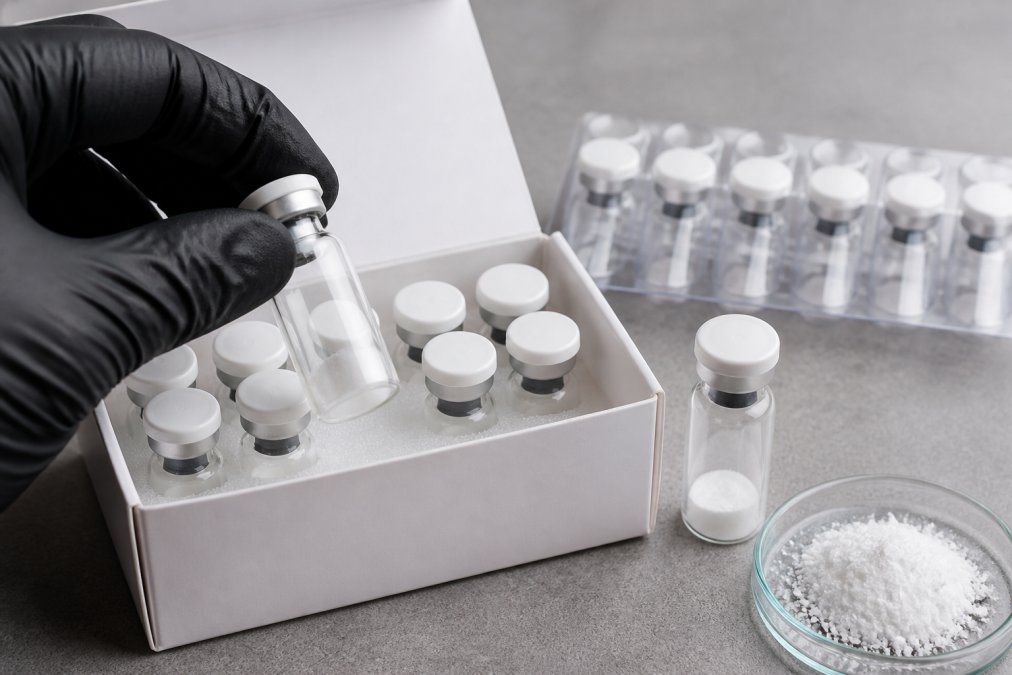
 blog
blog
Buy Lab Grade Research Peptides: A Buyer's Guide
Table of Contents
- What Defines Lab Grade Research Peptides
- How to Read a Peptide Certificate of Analysis
- Third-Party Peptide Testing Services and Verification
- Key Standards for Research-Grade Peptide Quality
- Peptide Storage and Handling Best Practices
- Evaluating Suppliers: What to Ask Before You Buy
- Custom Synthesis and Specialized Peptide Orders
- Frequently Asked Questions
Last Updated: September 3, 2026
What Defines Lab Grade Research Peptides
Lab grade research peptides are synthetic amino acid chains manufactured to exacting specifications for controlled scientific investigation. Unlike pharmaceutical-grade compounds intended for clinical use, research-grade peptides meet standards designed specifically for in-vitro studies, discovery work, and laboratory applications where batch consistency and analytical verification matter more than regulatory approval for human administration.
The distinction hinges on transparency and traceability. A research-grade peptide comes with documented proof of its composition, purity, and manufacturing conditions. Online Peptide Sales, for instance, provides Janoshik-verified batch reports for identified samples, giving labs the third-party verification they need to trust their compounds.
Quality in research peptides breaks down into measurable attributes: molecular weight accuracy, amino acid sequence fidelity, endotoxin levels, and purity percentages determined by HPLC analysis. A 95% pure peptide isn't the same as a 99% pure one, and that difference matters when your study depends on consistent, biologically active compounds. The peptide catalog you choose should specify these metrics clearly, not hide them behind vague language.
What separates legitimate suppliers from unreliable ones is their willingness to substantiate claims. Factory-direct sourcing from manufacturers in China can deliver cost advantages, but only when coupled with third-party testing verification. The real variable is verification, not cost.
How to Read a Peptide Certificate of Analysis
A Certificate of Analysis is your verification tool, the document that proves your peptide meets stated specifications. The COA should include the peptide sequence, molecular weight, lot number, manufacturing date, and test results from analytical professionals who ran quantitative analysis on that specific batch.
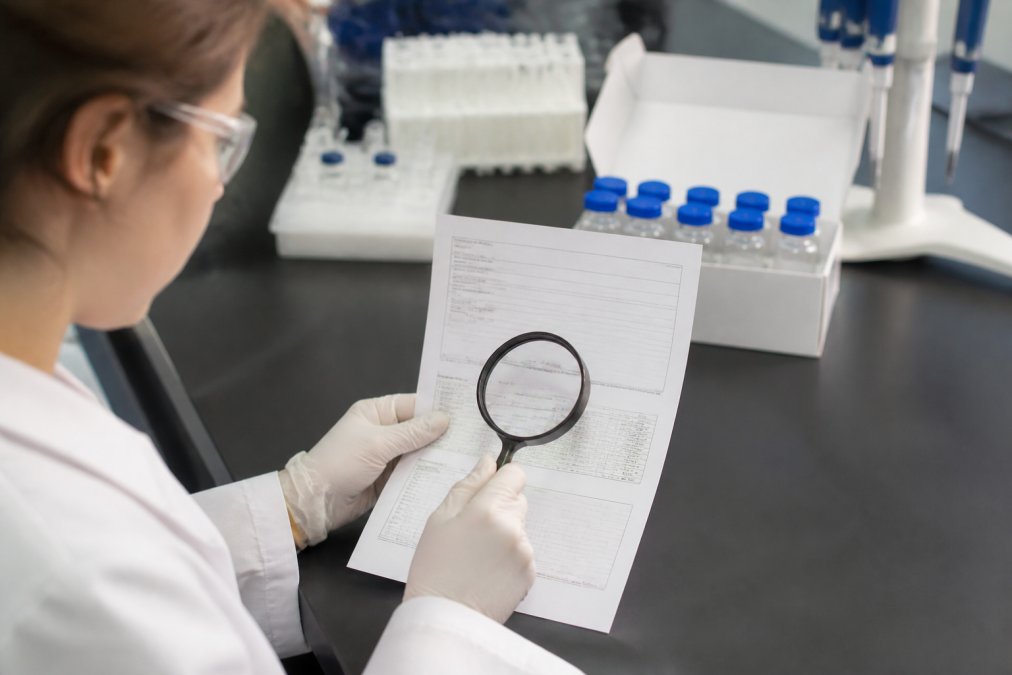
Start with the header. The COA must clearly identify the peptide by its full name or sequence and include a lot-specific identifier. This lot number ties the document to your physical vials. Next, look for the manufacturing date, which tells you about peptide stability and degradation risk.
The purity section is critical. HPLC purity percentages tell you what fraction of your sample is the intended peptide versus contaminants. A 98% purity result means 2% of your material is something else. For in-vitro work, that's usually acceptable; for sensitive assays, you might need 99% or higher. The COA should specify the method used and the detection system employed.
Endotoxin screening is essential if your peptides will contact cells or biological systems. Endotoxins trigger immune responses and corrupt results. The COA should report endotoxin levels in EU/mg with a threshold statement like "less than 1 EU/mg." If endotoxin data is missing, ask why.
Look for the signature or stamp of the analytical laboratory that performed the testing. A COA from an independent third party carries more weight than one from the manufacturer alone. This is where Janoshik verification adds credibility.
Finally, check the storage and reconstitution notes. These tell you how to maintain peptide integrity from receipt through use. Lyophilized peptides stored at -20°C last longer than those at room temperature.
Third-Party Peptide Testing Services and Verification
Third-party testing transforms a supplier's claim into verified fact. When you buy lab grade research peptides from a vendor who uses third-party verification, you're relying on an independent lab's analytical results, not the supplier's word. Services like Janoshik have become industry standard for research communities.
Third-party testing services typically run HPLC purity analysis, mass spectrometry for sequence confirmation, and endotoxin screening on representative samples from each batch. The results arrive as a formal COA bearing the testing lab's credentials. This separation of roles, manufacturer, supplier, and independent tester, creates accountability.
HPLC purity analysis is the workhorse method, detecting the percentage of your target peptide by running it through a chromatography column. Mass spectrometry confirms molecular weight and identifies impurities by their mass signatures. Together, these methods give you high confidence in what you're using.
Some suppliers test every batch; others test a percentage. If you're ordering a 10-vial kit, you want assurance that those specific vials match the COA. Online Peptide Sales offers Janoshik-verified reports for identified batches, meaning the testing ties directly to your shipment.
When evaluating a supplier, ask whether their third-party testing is routine or optional. A supplier that routinely tests every batch and publishes results demonstrates commitment to consistency. The cost difference is usually modest, often built into the price per vial, but the confidence gain is substantial.
Key Standards for Research-Grade Peptide Quality
Research-grade peptides operate within standards that differ from pharmaceutical manufacturing but remain rigorous. The standards that matter are consistency, documentation, and analytical verification.
Purity is the first standard. Most research applications accept 95% purity as a floor, with 98-99% preferred for sensitive work (peer-reviewed research). A peptide catalog that lists "high purity" without numbers is a red flag.
Amino acid sequence fidelity is the second standard. Your peptide should match the sequence you ordered. Mass spectrometry confirms this. If your study depends on a specific epitope or binding domain, sequence verification isn't optional.
Endotoxin levels matter for any application involving biological activity or cell contact. Research-grade standards typically demand less than 1 EU/mg (the FDA). The COA should state the endotoxin result explicitly.
Molecular weight accuracy is the fourth standard. HPLC and mass spectrometry both report this, and they should agree within expected tolerances.
Batch-to-batch consistency is a fifth standard that often goes unmentioned but matters greatly. If you order the same peptide twice, the two batches should have comparable purity, sequence fidelity, and endotoxin levels. Ask to see COAs from previous batches of the same peptide.
Documentation standards are equally important. A research-grade supplier maintains lot-specific records, traces materials back to source, and can explain deviations if they occur.
Peptide Storage and Handling Best Practices
How you store and handle peptides after receipt determines whether they maintain the quality documented in the COA. Peptide integrity degrades over time, especially under poor conditions.
Temperature is the primary variable. Most lyophilized peptides remain stable at -20°C for years (peer-reviewed research). Room temperature storage accelerates degradation. Follow the COA's recommended storage temperature exactly.
Moisture is the second variable. Lyophilized peptides absorb water from air, which triggers hydrolysis and degradation. Store them in sealed vials in a dry environment. Reconstituted peptides typically last weeks to months, not years.
Light exposure degrades some peptides, particularly those containing tryptophan or tyrosine residues. Store vials in opaque containers or in a freezer that blocks light.
Freeze-thaw cycles degrade peptides over time. Plan your experiments to minimize thawing. Some labs aliquot peptides into smaller vials on receipt, freezing most of the batch and thawing only what they need for immediate work.
Reconstitution requires attention to pH and osmolarity. Use buffers appropriate to your downstream application. The COA may suggest a reconstitution buffer; use it unless your protocol requires something different.
Contamination prevention matters. Use sterile technique when reconstituting peptides and label vials clearly to avoid cross-contamination.
Document storage and use. Record when you received the peptide, when you opened it, when you reconstituted it, and any deviations from recommended storage. If results are unexpected, this history helps you determine whether the peptide or your technique is the problem.
Evaluating Suppliers: What to Ask Before You Buy
Choosing a supplier for lab grade research peptides requires due diligence. Cost matters, but it's not the only factor. A supplier's transparency, testing practices, and responsiveness determine whether they're worth your repeat business.
Start with verification. Ask whether the supplier uses third-party testing, how frequently, and whether testing is routine or optional. Request COAs for previous batches of the same peptide you're considering. Online Peptide Sales offers Janoshik-verified reports, which is a clear answer to this question.
Ask about sourcing. Factory-direct sourcing from manufacturers in China can be legitimate and cost-effective, but only if coupled with verification.
Inquire about minimum order quantities and kit sizes. Many suppliers offer standard kits; Online Peptide Sales provides 10-vial research kits. If your protocols require different batch sizes, ask whether custom synthesis is available and what the lead time and cost structure look like.
Ask about shipping and handling. A supplier that uses secure export packaging and express shipping via major carriers is more likely to deliver intact, uncontaminated peptides. Ask what happens if a shipment is damaged or lost.
Clarify communication and support. What's the response time for questions? If there's an issue with a batch, how quickly can the supplier investigate and provide a solution?
Ask about volume pricing. If you're a repeat customer or planning bulk orders, negotiate. Online Peptide Sales provides volume pricing for repeat and bulk orders.
Verify compliance with your institution's procurement policies before committing.
Custom Synthesis and Specialized Peptide Orders
Standard peptide catalogs cover common sequences, but specialized research often requires custom synthesis. Understanding how custom peptide synthesis works helps you plan timelines and budgets.
Custom synthesis begins with your peptide sequence specification. You provide the amino acid sequence, desired purity level, and any modifications, phosphorylation, fluorescent labels, biotin tags, or others. The manufacturer designs a synthesis strategy, quotes a price, and provides a timeline.
Lead times vary. Standard sequences might be available in 1-2 weeks; complex custom work can take 4-6 weeks or longer. Account for synthesis time when planning your research timeline.
Purity requirements affect cost. A 95% pure custom peptide costs less than a 99% pure one. If your application tolerates lower purity, you save money.
Modifications add cost and complexity. A fluorescently labeled peptide or one with a biotin tag requires additional chemistry. Discuss modifications with the supplier upfront to understand timeline and cost implications.
Batch size matters for custom work. Synthesizing 100 mg of a peptide costs more per milligram than synthesizing 500 mg. If you anticipate repeat orders, consider larger initial batches to reduce per-unit cost.
Quality assurance for custom peptides follows the same principles as catalog peptides. Expect a COA with purity, sequence confirmation via mass spectrometry, and endotoxin screening if relevant.
Buying lab grade research peptides requires balancing cost, quality, verification, and supplier reliability. The lowest price rarely delivers the best value. What matters is getting peptides that match documented specifications, arrive in good condition, and perform consistently in your experiments. Online Peptide Sales delivers on these fundamentals through factory-direct pricing, Janoshik-verified batch reports, and secure export packaging with express international shipping. When evaluating suppliers, ask about third-party testing, request COAs from previous batches, and confirm that your chosen vendor stands behind their product with clear replacement or refund guarantees. Start with a single kit order, validate the quality against your protocols, and scale from there.
Frequently Asked Questions
Is it legal to buy lab grade research peptides?
Yes, purchasing lab grade research peptides for legitimate laboratory and controlled scientific study is legal in the United States. These compounds are sold explicitly for research purposes only, not for human consumption or medical use. Ensure your intended use aligns with institutional review requirements and that you source from suppliers who verify their products through third-party testing like Janoshik. Always confirm your organization's compliance with relevant research protocols and institutional guidelines.
Why is third-party testing critical when you buy lab grade research peptides?
Third-party testing provides independent verification of peptide purity, identity, and safety, eliminating conflicts of interest that arise when suppliers test their own products. Services like Janoshik use HPLC and mass spectrometry to confirm amino acid sequences, measure purity percentages, and screen for endotoxins and contaminants. This verification protects your research integrity by ensuring your results depend on verified materials, not contaminated or mislabeled compounds. Request batch-specific reports before purchase.
What should I look for in a peptide certificate of analysis?
A complete COA should include the peptide sequence, molecular weight, lot number, purity percentage (typically expressed as HPLC or mass spectrometry results), endotoxin screening results, manufacturing date, and expiration date. Verify the testing method, HPLC purity analysis is standard for research-grade materials. Confirm the COA is lot-specific (not generic), dated recently, and signed by the testing laboratory. Cross-reference the lot number with your actual shipment to ensure batch matching.
How should I store research peptides after delivery?
Store lyophilized peptides in a cool, dry place at 2-8°C (refrigerator) or -20°C (freezer) to maintain stability and prevent degradation. Keep vials in airtight, tamper-evident packaging away from light and moisture. Once reconstituted, use solutions within the timeframe specified on the COA, typically 24-48 hours for most research applications. Label all containers with lot number, reconstitution date, and expiration. Avoid repeated freeze-thaw cycles by aliquoting reconstituted peptides into smaller working volumes.