 how-to
Peptide Reconstitution and Storage: A Step-by-Step Guide
Table of Contents
- Why Proper Peptide Reconstitution and Storage Matters
- Preparation and Workspace Hygiene
- Required Supplies and Equipment
- Step-by-Step Reconstitution Process
- Bacteriostatic Water for Peptide Reconstitution
- Peptide Storage Temperature Guidelines
- Signs of Peptide Degradation
- Shelf Life, Expiration, and Stability
- Frequently Asked Questions
Last Updated: September 29, 2026
Why Proper Peptide Reconstitution and Storage Matters
Peptide reconstitution and storage determines whether your research compounds remain stable and effective. Poor handling degrades peptides before you even begin your study. The difference between a successful experiment and wasted materials often comes down to technique.
Reconstitution, mixing lyophilized peptide powder with a liquid solvent, requires precision in temperature, sterility, and timing. A peptide stored at room temperature may degrade within weeks; frozen properly, it can remain viable for months.
Online Peptide Sales provides high-quality research compounds in 10-vial kits with Janoshik-verified batch reports. Proper reconstitution and storage practices ensure you get the full value from these verified materials.
Preparation and Workspace Hygiene
Before opening any vial, prepare your workspace. Contamination is the biggest threat to peptide stability, bacteria, dust, and chemical residues destroy samples.
Clean your work surface with 70% ethanol or isopropyl alcohol and allow it to dry completely (the CDC). Use lint-free wipes only; regular paper towels shed fibers. Wear clean gloves throughout, changing them if they touch anything other than your materials.
Gather all supplies before you start:
- Sterile syringes
- Sterile needles (appropriate gauge)
- Bacteriostatic water
- Alcohol swabs
- Vials and caps
- Labels for dating
Work in a space away from air currents, fans, or open windows, airflow carries contaminants. Use a biological safety cabinet if available; otherwise, work on a clean, flat surface in a quiet room.
Required Supplies and Equipment
Proper peptide reconstitution and storage requires specific materials. Using substitutes compromises your results.
Essential supplies:
- Bacteriostatic water (sterile, preservative-free)
- Sterile syringes (1 mL, 3 mL, or 5 mL depending on volume)
- Sterile needles (18-25 gauge)
- Alcohol prep pads (70% isopropyl alcohol)
- Sterile vials or containers
- Freezer-safe storage containers
- Pipette tips (sterile, if using pipettes)
- Disposable gloves (non-latex preferred)
- Labels and permanent marker
Storage equipment:
- Refrigerator (2-8°C for short-term storage)
- Freezer (-20°C or lower for long-term storage)
- Thermometer to verify temperatures
- Amber or opaque vials (light protection)
Do not substitute regular water for bacteriostatic water. Bacteriostatic water contains a preservative that prevents bacterial growth. Tap water or distilled water introduces contamination risk.
Step-by-Step Reconstitution Process
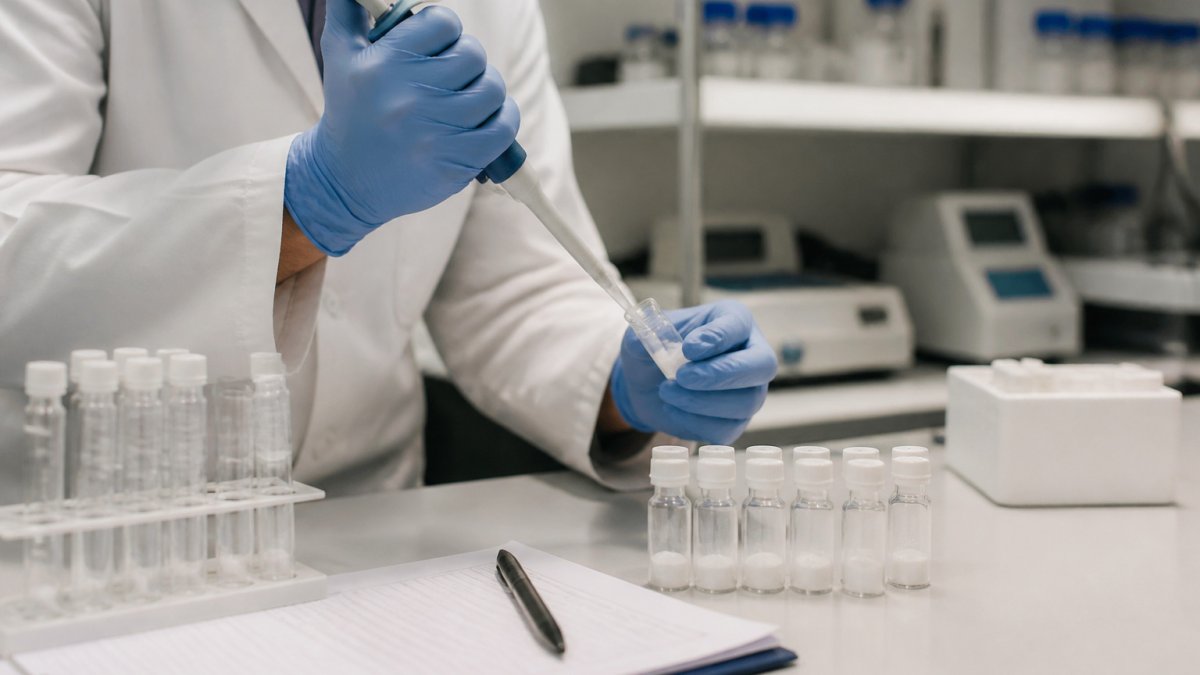
The reconstitution process takes 5-10 minutes but requires careful attention. Rushing causes mistakes.
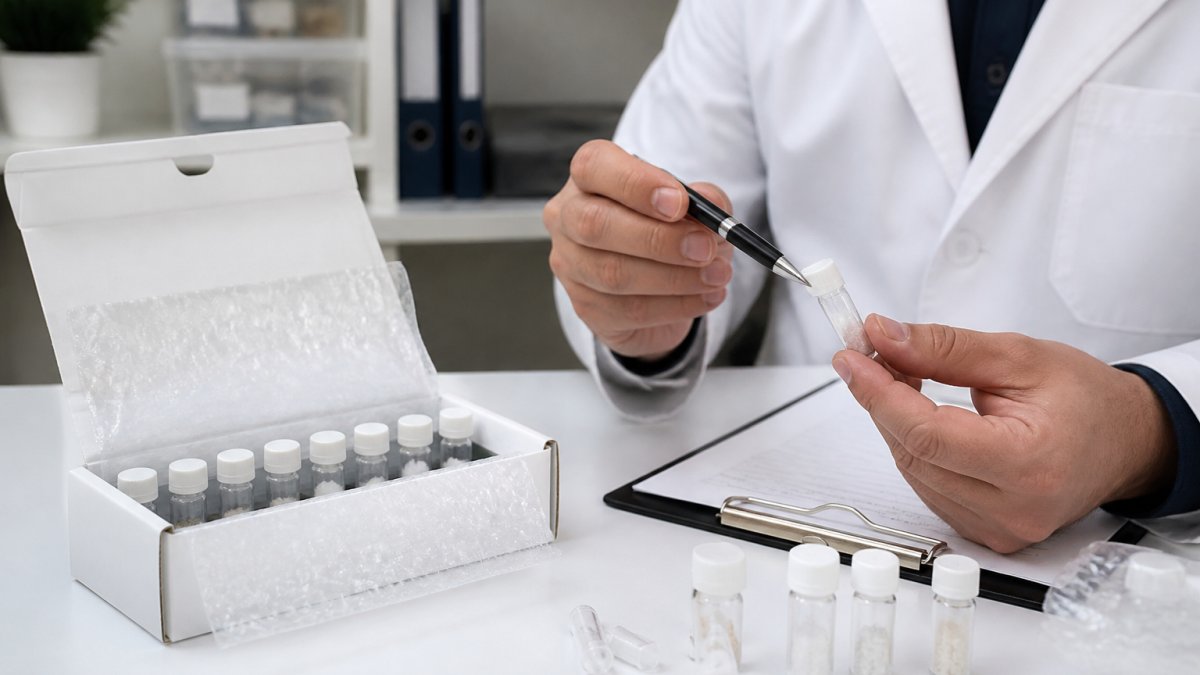
Step 1: Verify the vial. Check that the lyophilized powder is intact and the vacuum seal is unbroken. Janoshik-verified batches from Online Peptide Sales arrive with documentation. Keep this paperwork for your records.
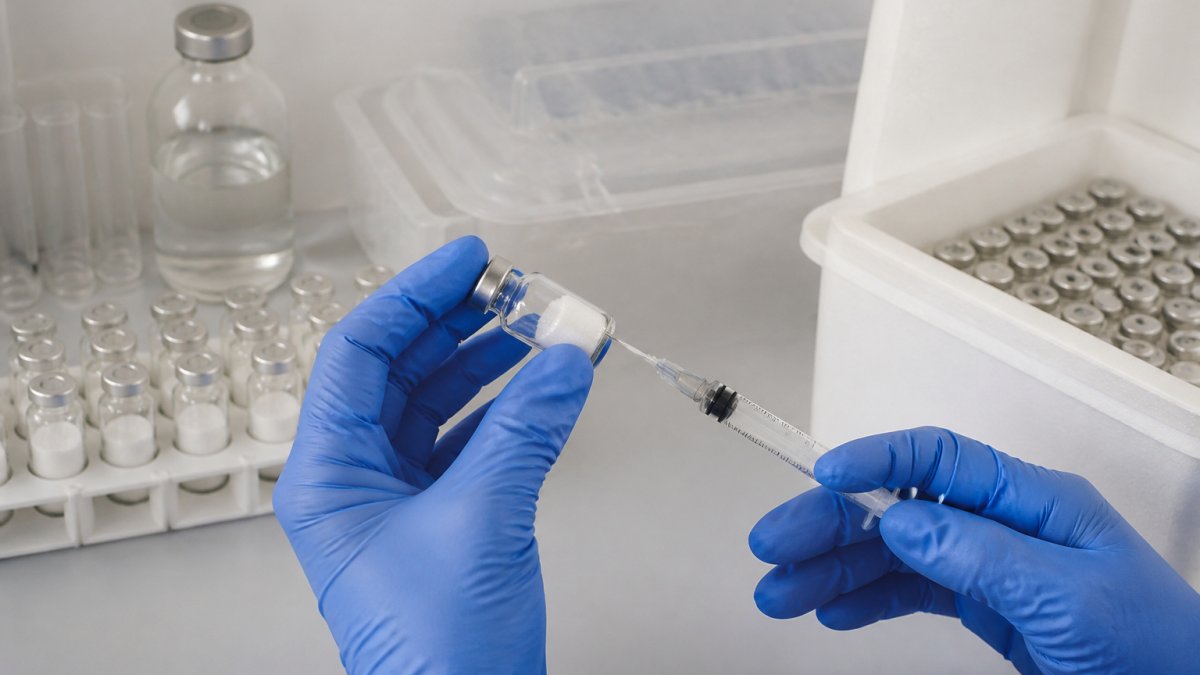
Step 2: Prepare the bacteriostatic water. Draw the required amount into a sterile syringe. For a standard 10 mg vial, 1-2 mL is typical; check your protocol for exact volumes.
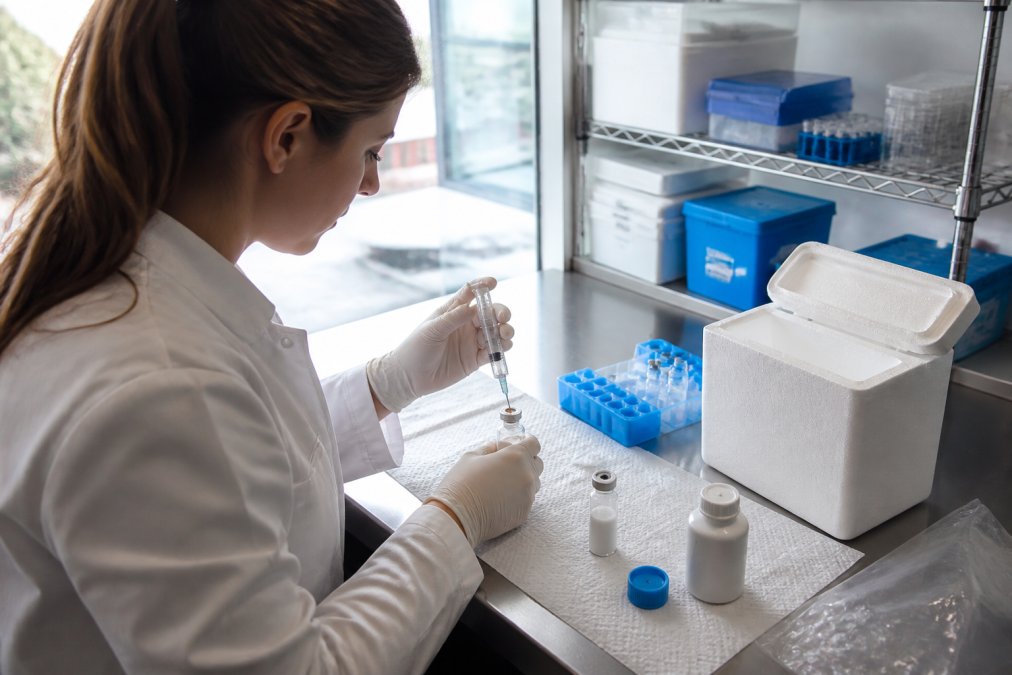
Step 3: Inject slowly. Insert the needle at a slight angle into the vial. Inject the bacteriostatic water slowly along the inside wall of the vial. Do not spray the powder directly. Slow injection prevents foaming and aeration.
Step 4: Allow dissolution. Wait 2-5 minutes without agitation; the powder dissolves gradually.
Step 5: Mix gently. After waiting, rotate the vial slowly between your palms. Do not shake vigorously. Vigorous shaking introduces air bubbles and denatures peptides.
Step 6: Verify clarity. The solution should be clear or slightly cloudy. Particles or discoloration indicate a problem. Do not use the vial if the solution looks wrong.
Handling Vacuum-Sealed Vials
Vacuum-sealed vials protect peptides during shipping by maintaining sterility and preventing oxidation. Breaking the seal incorrectly introduces contamination.
Inspect the seal upon receipt, it should be intact with no cracks or gaps. If compromised, contact your supplier immediately and do not use the vial.
To open a vacuum-sealed vial, use a sterile needle to pierce the rubber stopper. You will hear a slight hiss as air enters, this is normal. Use the vial promptly after piercing.
Avoiding Contamination During Mixing
Aseptic technique prevents contamination by using sterile equipment and keeping non-sterile surfaces away from your materials.
Never touch the needle tip or rubber stopper with bare hands. Always use alcohol swabs to clean the stopper before inserting the needle, wiping in a circular motion for 10 seconds and allowing it to dry completely.
Use a new sterile needle for each vial, reusing needles introduces bacteria. Change gloves between vials or immediately if they touch a non-sterile surface.
Keep the vial upright during reconstitution. Tilting or inverting increases contamination risk. Work slowly and deliberately to avoid mistakes.
Troubleshooting Dissolution Issues
Peptides occasionally do not dissolve completely or remain cloudy after 2-5 minutes. This does not always indicate a defective batch, several factors can slow dissolution.
Peptide remains cloudy or grainy after 5 minutes: Wait longer. Some peptides, particularly longer-chain sequences or those with hydrophobic regions, require 10-15 minutes to fully dissolve. If cloudiness persists after 15 minutes, proceed to the next step.
pH sensitivity: Peptides with charged amino acids are pH-sensitive. Bacteriostatic water is neutral, but slight pH variations can affect solubility. Cloudiness may be pH-related rather than degradation, do not discard immediately.
Gentle sonication: If standard mixing fails, place the sealed vial in a room-temperature water bath sonicator for 2-3 minutes. Sonication uses sound waves to agitate gently without introducing air bubbles. Allow the vial to cool before use.
Temperature adjustment: Some peptides dissolve better at slightly elevated temperatures. Place the sealed vial in a 37°C water bath for 5-10 minutes if sonication is unavailable. Do not exceed 40°C, as heat can denature peptides.
Verify the batch: Janoshik-verified batches from Online Peptide Sales include purity and composition reports. If dissolution issues persist despite these troubleshooting steps, consult your batch documentation. Incomplete dissolution after extended waiting and gentle sonication may indicate a batch-specific issue. Contact your supplier with your batch number and Janoshik report for guidance.
Do not force dissolution: Vigorous shaking, excessive heat, or aggressive sonication can denature the peptide. If a peptide resists dissolution after gentle troubleshooting, prepare a fresh vial rather than risk damage.
Bacteriostatic Water for Peptide Reconstitution
Bacteriostatic water is the standard diluent for peptide reconstitution. It contains benzyl alcohol, a preservative that stops bacterial growth and allows longer storage without degradation.
Never substitute bacteriostatic water with sterile water, normal saline, or distilled water. These alternatives lack the preservative and allow bacterial multiplication, ruining samples and invalidating research.
Bacteriostatic water comes in sealed bottles. Check the expiration date before use. Expired water loses its preservative properties. Store unopened bottles in a cool, dark place. Once opened, use within 28 days.
The amount of bacteriostatic water affects peptide concentration. Standard reconstitution uses 1-2 mL per 10 mg vial; your protocol specifies the exact volume needed.
Peptide Storage Temperature Guidelines
Temperature control is critical for peptide stability. Incorrect temperatures accelerate degradation through hydrolysis, oxidation, and microbial growth.
Room temperature (68-72°F) is acceptable for short-term storage only, up to 1-2 weeks maximum. Lyophilized powder lasts longer at room temperature but still degrades over months.
Refrigeration vs. Freezer Storage
Refrigeration (35-46°F) extends peptide life to 2-4 weeks for reconstituted solutions. Store vials in the back of the refrigerator, not the door, where temperatures fluctuate.
Freezer storage (-4°F or colder) preserves reconstituted peptides for 3-6 months or longer and lyophilized powder for 1-2 years.
Light and Temperature Sensitivity
Light degrades peptides through photodegradation, breaking chemical bonds. Amber or opaque vials protect against light damage; never store peptides in clear glass or plastic vials under lights.
Signs of Peptide Degradation
Visual and chemical changes indicate degradation. Knowing what to look for prevents using compromised samples.
Visual Indicators
Discoloration is the most obvious sign of chemical breakdown. Fresh reconstituted peptides are clear or slightly cloudy white. Discoloration, yellowing, browning, or darkening, indicates oxidation or hydrolysis. This process accelerates in light and at warm temperatures. Brown or yellow solutions should be discarded immediately.
Chemical and Sensory Indicators
Odor changes suggest bacterial contamination or advanced chemical breakdown. A sour, vinegar-like, or ammonia-like smell indicates bacterial growth or peptide hydrolysis. Any unusual smell means the sample is compromised and should be discarded.
Timeline of Degradation
Degradation does not happen instantly. Understanding the timeline helps you catch problems early.
When to Discard
If any of these signs appear, discard the vial:
- Visible discoloration (yellow, brown, or dark tint)
- Persistent precipitation or cloudiness that does not settle
- Unusual odor
- pH shift of more than 0.5 units from baseline
- Unexpected viscosity change
- Crystals in a refrigerated (non-frozen) solution
Using degraded peptides produces invalid results and wastes research time. The cost of discarding one vial is far less than the cost of wasted experiments, invalid data, or repeated work. When in doubt, prepare fresh material from a new vial.
Shelf Life, Expiration, and Stability
Peptide shelf life depends on storage conditions and peptide type. Lyophilized peptides last longer than reconstituted ones. Frozen storage extends shelf life compared to refrigeration.
Frequently Asked Questions
Do I refrigerate my peptides after reconstitution?
Yes. After reconstitution, store your peptides in the refrigerator at 2-8°C if you plan to use them within 2-4 weeks. For longer storage beyond one month, freezer storage at -20°C or colder is recommended. Always use sterile technique when withdrawing aliquots to prevent contamination and degradation. Check your specific peptide's stability data, as some compounds have different temperature requirements.
What is the difference between sterile water and bacteriostatic water for peptide reconstitution?
Bacteriostatic water for peptide reconstitution contains 0.9% benzyl alcohol, which inhibits bacterial growth and extends the shelf life of reconstituted peptides. Sterile water lacks this preservative and is suitable only for single-use applications. For research peptides that will be stored or used over multiple sessions, bacteriostatic water is the standard choice because it maintains sterility and stability longer without requiring freezer storage immediately after reconstitution.
What are common mistakes in peptide reconstitution?
The most frequent errors include using non-sterile equipment or contaminated diluent, failing to allow the lyophilized powder adequate time to fully dissolve (at least 15-30 minutes), injecting the diluent too rapidly into the vial, and improper labeling of reconstitution date and time. Many researchers also skip aseptic technique steps, increasing contamination risk. Additionally, reconstituting more peptide than needed or storing reconstituted peptides at room temperature for extended periods accelerates degradation and reduces shelf life significantly.
How long do reconstituted peptides remain stable?
Reconstituted peptides stored in bacteriostatic water at 2-8°C typically remain stable for 2-4 weeks, though this varies by peptide type and specific formulation. Freezer storage at -20°C or below extends stability to several months. Stability depends on pH balance, light exposure, freeze-thaw cycles, and environmental conditions. Visual inspection for particulate matter, discoloration, or precipitate indicates degradation. Always refer to your batch's Janoshik-verified report for specific shelf life guidance and storage recommendations for your compound.