 ultimate-guide
Risks of Buying Unverified Peptides: What You Need to Know
Table of Contents
- What Are Unverified Peptides and Why They Matter
- Health Risks of Unverified Peptides
- Dangers of Contaminated Research Chemicals
- FDA Regulations on Research Peptides
- Janoshik Lab Report Verification: What It Means
- Counterfeit Products and Black Market Risks
- How to Source Verified Research Peptides
- Frequently Asked Questions
Last Updated: September 20, 2026
What Are Unverified Peptides and Why They Matter
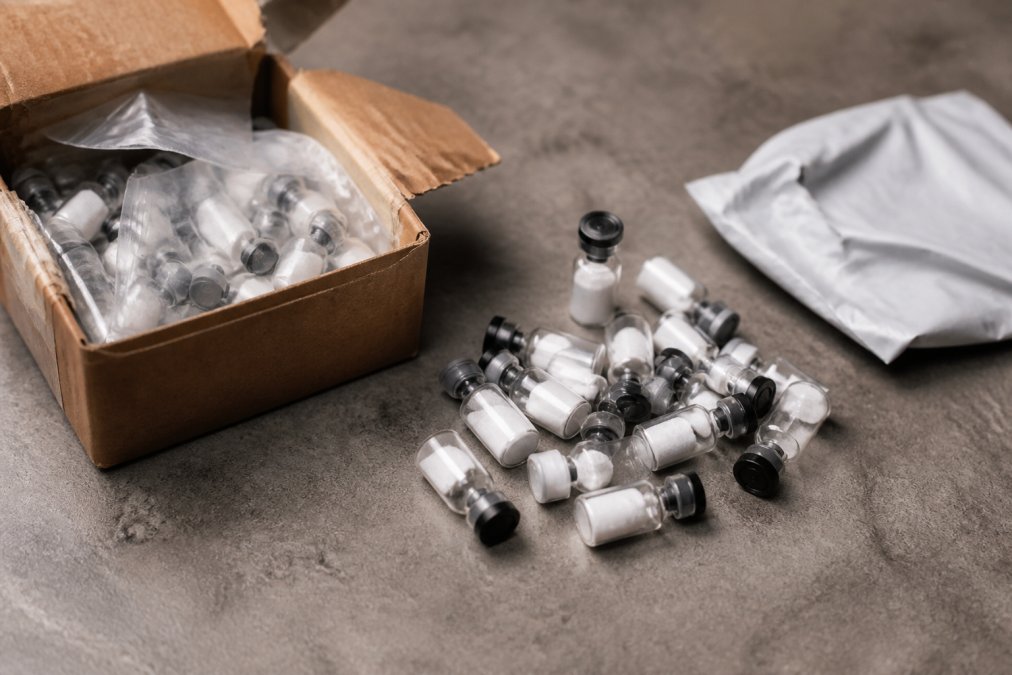
Unverified peptides are research compounds sold without documented proof of purity, sterility, or manufacturing standards. These substances circulate through online marketplaces and informal supply chains without third-party testing or regulatory oversight. The distinction matters because a peptide's identity on a label tells you almost nothing about what's actually in the vial.
Legitimate suppliers provide batch reports with chemical composition, purity levels, and contamination screening. Unverified peptides skip this entirely. A seller's claim of 99% purity means nothing without independent lab analysis, you have no way to know what's actually in the vial or whether it contains dangerous contaminants.
The research community relies on peptide compounds for legitimate investigation, but ease of international shipping and lack of regulatory oversight have created a parallel market where quality control is optional.
FDA guidance on research chemical safety
Health Risks of Unverified Peptides
Contamination and Substandard Quality
Unverified peptides carry three contamination risks. First: bacterial and fungal contamination from uncontrolled manufacturing settings, where pathogens can cause serious infections.
Second: chemical contamination from skipped purification steps, leaving residual solvents, unreacted precursors, or synthesis intermediates that trigger immune responses or organ damage.
Third: mislabeling, a vial labeled as one peptide might contain a different compound, mixture, or filler, meaning you administer something your protocol never accounted for.
Inconsistent dosage accuracy, a vial labeled 10mg might contain 6mg or 14mg, ruins experimental results and creates direct health hazards if administered to humans.
Adverse Events and Unknown Side Effects
Unverified peptides come with no safety data, no information about adverse events, contraindications, or interaction profiles.
Contamination introduces unexpected biological activity: bacterial endotoxins trigger systemic inflammation, heavy metals accumulate in organs, and solvent residues cause tissue or systemic damage.
Users often don't report adverse events, either failing to recognize symptoms or avoiding medical attention because the source was illegal, creating a reporting gap where serious side effects remain invisible.
Dangers of Contaminated Research Chemicals
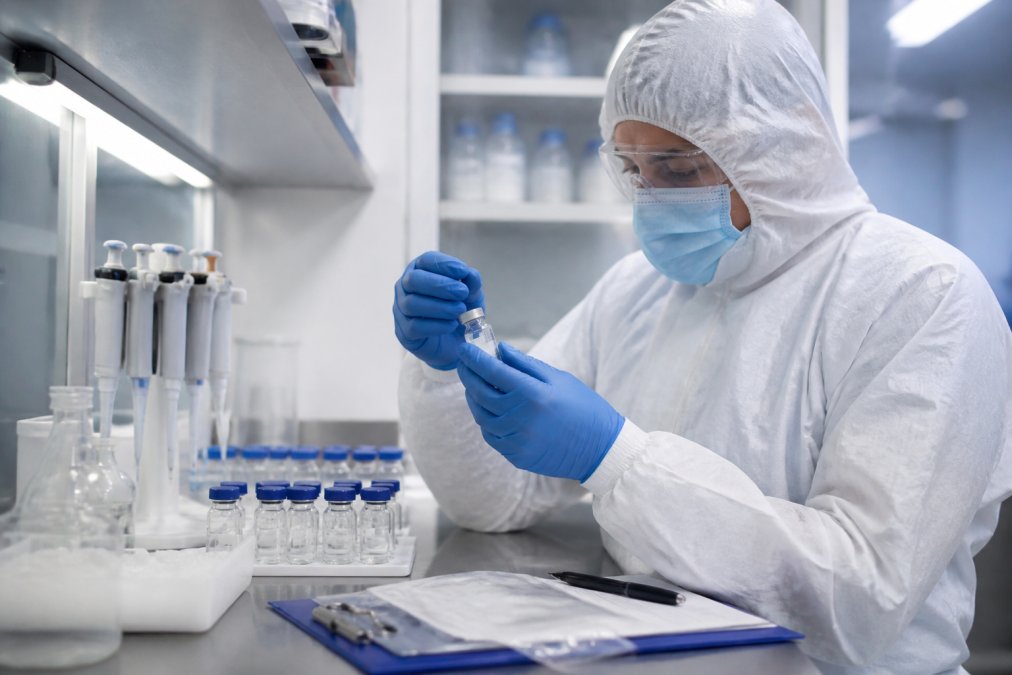
Contaminated research chemicals differ from unverified ones: they've undergone testing but failed safety standards. The danger is false confidence, sellers claim "tested" without specifying methods, standards, or results.
What Actually Gets Found in Black-Market Samples
When independent labs analyze peptides purchased from unverified online sources, the contamination patterns are consistent and alarming. The most common findings include:
Heavy metal accumulation: Lead, cadmium, and mercury appear at 10-50 times acceptable limits, causing neurological damage, kidney dysfunction, and bone degradation. Repeated use can exceed safe lifetime exposure within months.
Bacterial endotoxins: Lipopolysaccharides (LPS) from gram-negative bacteria trigger pyrogenic responses and systemic inflammation even at nanogram quantities, causing fever, joint pain, and fatigue users often misattribute to the peptide.
Solvent residues: DMSO, acetonitrile, and ethanol cause local tissue necrosis and organ damage. Acetonitrile metabolizes to cyanide in the body, a fact most users never learn.
Synthesis byproducts: Unreacted precursors and intermediates have unpredictable biological activity, potentially binding to the same receptors with different potency and causing overdose-like reactions.
Mislabeled or substituted compounds: Samples frequently contain a different peptide or mixture. One documented case found vials labeled BPC-157 actually contained melanotan II, a compound with cardiovascular and neurological effects users never consented to.
Why Testing Reports Are Unreliable
Black market sources frequently display fake or outdated testing documentation. A seller might display a fabricated report, use a non-existent facility name, or copy a competitor's report and reuse it across multiple products.
The "research chemical" designation is intentionally vague, it signals "not approved for human consumption" while leaving the door open for use. This legal gray area lets sellers thrive with minimal consequences for false claims.
Counterfeit Janoshik reports use real branding, technical language, and plausible data. Verify authenticity by contacting Janoshik directly with the batch number. Legitimate suppliers encourage this; unverified suppliers disappear or claim confidentiality prevents verification.
Accumulation and Long-Term Effects
Many contaminants accumulate silently: heavy metals deposit in bone and brain, endotoxins trigger chronic inflammation. Users purchasing multiple batches compound exposure without realizing it, and by the time symptoms appear, the source is untraceable.
FDA warning letters on contaminated research chemicals
FDA Regulations on Research Peptides
The FDA classifies research peptides differently from medications, they cannot be marketed with health claims or dosing instructions. This creates a regulatory blind spot: a "research chemical" label means the seller avoids scrutiny, not that the compound is safe or pure.
The FDA has issued warnings about unapproved peptides sold online, identifying specific compounds and health risks. These warnings carry no enforcement power against international suppliers but signal FDA awareness.
Legitimate research institutions work with suppliers maintaining FDA compliance: documented manufacturing, quality assurance, and traceability. Online Peptide Sales provides Janoshik-verified batch reports, ensuring documented purity standards.
FDA warning on unapproved peptide products
Janoshik Lab Report Verification: What It Means
A Janoshik lab report is third-party analysis using mass spectrometry to identify composition, confirm identity, and measure purity. It tests a single sample, not the entire batch, other vials may differ if manufacturing was inconsistent. Responsible suppliers test multiple vials or use statistical sampling.
Janoshik's value lies in independence, an external lab removes incentive to falsify results. If a report shows 87% purity instead of 99%, that's honest data for informed decisions. Counterfeit reports are common; verify authenticity by contacting Janoshik directly with the batch number. Legitimate suppliers encourage this; unverified suppliers disappear.
Counterfeit Products and Black Market Risks
The black market for research peptides grows because demand is high and enforcement is difficult. Understanding why people turn to unverified sources is essential to addressing the problem.
Why Users Choose Unverified Peptides
The decision to purchase from an unverified source is rarely made in a vacuum. Most users face one or more of these barriers to legitimate access:
Cost: Verified peptides cost 3-5 times more than black-market equivalents ($200-300 vs. $40-80 for 10 vials). For budget-constrained researchers, this gap is decisive.
Medical distrust: Users denied access to treatments or dismissed by providers research peptides independently, find anecdotal evidence, and conclude waiting for FDA approval isn't viable. This distrust often stems from real gaps in conventional care.
Access barriers: Legitimate peptides are sold only to institutions and licensed practitioners.
Counterfeit Detection Is Nearly Impossible Without Lab Analysis
Counterfeit peptide detection requires lab analysis, the vial and label look right, but only analysis reveals contents. Most people skip testing because the cost ($150-400 through Janoshik) often exceeds the compound's cost.
The Real Cost of "Cheap" Peptides
The psychological appeal of black market peptides is real in the moment. They're cheaper than verified compounds. Shipping is fast. No questions are asked. The risk feels distant until something goes wrong.
When it does, the costs multiply:
- A contaminated batch causes an infection requiring antibiotics and medical evaluation ($1,500-5,000 out of pocket if uninsured).
- A mislabeled compound ruins months of research, wasting time and resources.
- A counterfeit product wastes the initial purchase price and the time spent waiting for delivery.
- Adverse reactions go unreported because the user can't disclose the source without legal risk, meaning the contamination spreads to others who purchased from the same supplier.
- Long-term organ damage from heavy metal or endotoxin accumulation becomes apparent only years later, when causation is difficult to prove.
A Path Forward: Verified Sourcing as Risk Mitigation
Online Peptide Sales operates differently from black market suppliers. Every batch comes with the option for Janoshik verification. The company sources directly from manufacturers and maintains documented supply chain practices. Express international shipping includes secure, tamper-evident packaging. These practices cost more than black market alternatives, typically 50-100% more, but they eliminate the guessing game and the downstream costs of contamination or counterfeits.
How to Source Verified Research Peptides
The first step is identifying your actual requirements. Different research protocols require different purity levels, different batch sizes, and different delivery timelines. A startup conducting preliminary studies might accept 95% purity; a pharmaceutical development lab might require 99.5% or higher.
| Step | Action | Outcome |
|---|---|---|
| 1 | Define purity and batch size requirements | Clear specification document |
| 2 | Request supplier certifications and references | Verified manufacturing standards |
| 3 | Require Janoshik lab reports for all batches | Independent chemical analysis |
| 4 | Verify reports directly with testing lab | Counterfeit detection |
| 5 | Document procurement and storage | Regulatory compliance trail |
Best practices for research chemical sourcing
Frequently Asked Questions
What are the main health risks of using unverified peptides?
Unverified peptides carry multiple serious health risks. Without regulatory oversight, these products may contain contaminants, incorrect dosages, or harmful fillers that cause adverse events ranging from minor allergic reactions to severe organ damage. The lack of clinical trials and pharmacological safety data means users face unknown side effects. Medical supervision during use of any experimental drug is critical to monitor for complications.
How does Janoshik lab report verification help identify authentic peptides?
Janoshik lab report verification provides third-party chemical analysis of peptide batches, confirming purity, composition, and the absence of contaminants. This independent testing creates an auditable record of what's actually in the product, rather than relying on manufacturer claims alone. For research purposes, verified batch reports ensure dosage accuracy and reproducibility across experiments, which is essential for legitimate scientific investigations.
Why are unregulated peptides considered a public health concern?
Unregulated peptides exist outside the drug purity and labeling compliance standards enforced by the FDA. This creates a black market supply chain where products may be substandard, mislabeled, or contaminated with harmful substances. Without medical supervision or clinical efficacy data, users cannot assess real risks. The uncontrolled distribution of experimental drugs undermines patient safety and public health oversight.
What should I look for when sourcing research peptides to ensure legitimacy?
Verify that your supplier offers third-party testing documentation (such as Janoshik reports), operates transparently about manufacturing origins, and provides secure, tamper-evident packaging. Confirm the supplier understands FDA regulations on research chemicals and distinguishes clearly between products for research purposes versus therapeutic use. Request batch-specific verification reports and ensure the supplier maintains records for regulatory compliance and traceability.
Sourcing verified peptides requires more effort than buying from the cheapest online seller. But the cost of contamination, failed experiments, health complications, wasted resources, far exceeds the premium for verification. Online Peptide Sales provides Janoshik-verified batch reports, factory-direct pricing, and secure international shipping designed specifically for research institutions. View batch lab reports and confirm your compound's identity before your research begins.