 ultimate-guide
Secure International Peptide Shipping: 2026 Guide
Table of Contents
- Why Standard Shipping Fails for Research Peptides
- Core Elements of Secure International Peptide Shipping
- FDA Import Regulations for Research Chemicals
- The Risks of Buying Grey Market Peptides
- How to Verify Peptide Batch Reports Before Ordering
- Comparing Shipping Options: What to Look For
- Step-by-Step Import Checklist for Researchers
- Final Checklist for Reliable International Orders
- Frequently Asked Questions
Last Updated: September 6, 2026
Why Standard Shipping Fails for Research Peptides
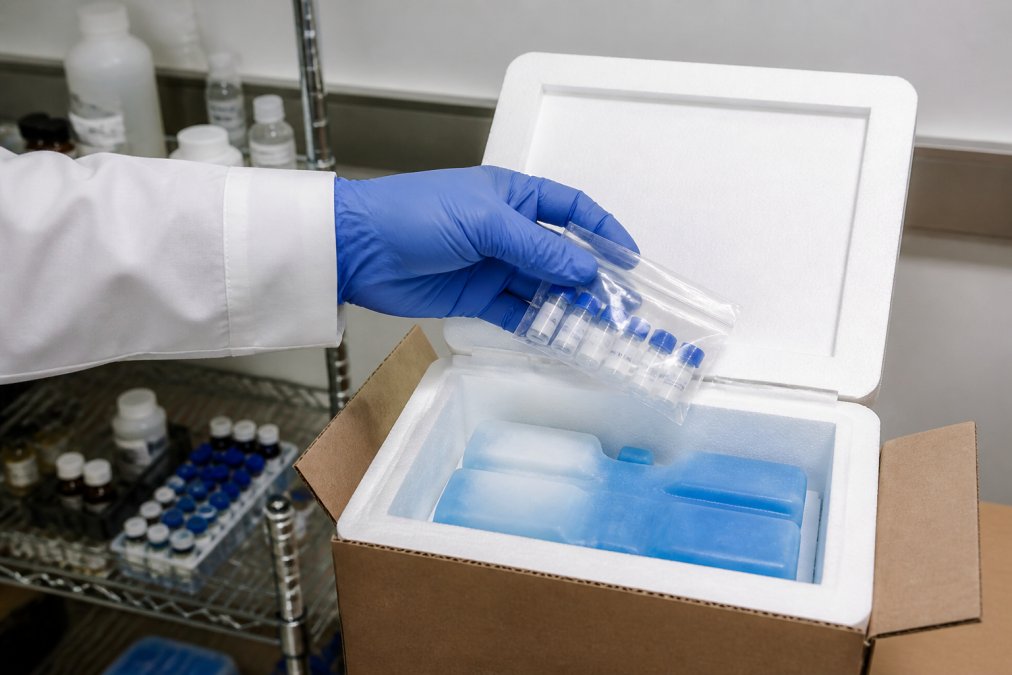
Shipping research peptides internationally is not the same as shipping a standard laboratory consumable. Peptides are fragile molecules, and most fail to arrive in usable condition because standard parcel services ignore the three factors that matter most: temperature stability, transit duration, and handling integrity.
Research peptides are sensitive to heat and physical agitation. A vial that spends several days in a warehouse or a delivery truck can degrade to the point where assay results become unreliable, wasting both the cost of the material and the weeks of work built on it. Standard shipping also offers limited visibility, so a package sitting in customs becomes a guessing game rather than a managed event.
This guide covers the secure international peptide shipping methods that protect research-grade material from the lab bench in China to your receiving dock. We will walk through the packaging standards, cold chain requirements, regulatory obligations, and verification steps that keep your research compounds viable and your study timelines intact.
Core Elements of Secure International Peptide Shipping
A secure international peptide shipping method combines four non-negotiable elements: temperature-controlled packaging, a documented cold chain, tamper-evident seals, and a logistics provider with customs experience. Remove any one of these, and the integrity of the shipment is compromised before it reaches your facility.
Temperature control is the most critical factor. Peptide degradation accelerates at ambient temperatures, so the packaging must maintain a stable internal environment for the entire duration of the journey, not just the first leg.
Temperature-Controlled Packaging Standards
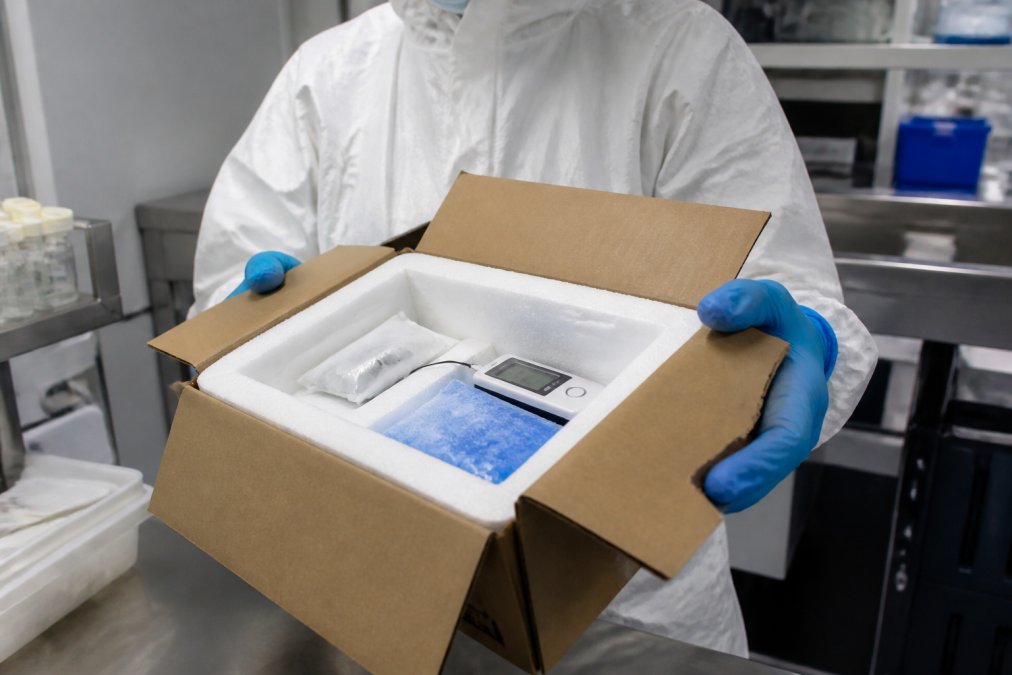
Temperature-controlled packaging for peptides typically uses insulated foam containers, phase-change materials, and pre-conditioned gel packs (the FDA). The packaging must be validated to hold a target temperature range for at least 72 hours to cover international transit delays.
Cold chain logistics extends beyond the box itself. The shipment must move through a network that minimizes time in uncontrolled environments. The most reliable approach is express courier service with direct routing, which reduces the number of transfer points where temperature excursions are likely to occur.
Cold Chain Logistics and Delivery Lead Times
Delivery lead times for international express shipments generally range from 3 to 7 business days depending on the destination region and customs workload. A longer transit time increases the risk of temperature fluctuation, which is why express delivery is not a luxury but a scientific requirement for temperature-sensitive research compounds.
FDA Import Regulations for Research Chemicals
The U.S. Food and Drug Administration import requirements classify most peptides as active pharmaceutical ingredients or research chemicals, and their import is subject to specific entry requirements. Researchers must ensure the imported substance is permitted for research use and that the shipment is properly declared.
The FDA does not pre-approve every research chemical for import (the FDA). Shipments may be held at the border if documentation is incomplete or if the substance appears on a restricted list. This is where regulatory compliance becomes a practical concern, not just a legal formality.
Import documentation typically includes a commercial invoice, a detailed packing list, and a certificate of analysis. The customs broker or courier handling your shipment should prepare these documents in advance to avoid unnecessary delays. Working with a supplier that handles customs documentation as part of their export process reduces the risk of your package being flagged.
The Risks of Buying Grey Market Peptides
The risks of buying grey market peptides are substantial and often underestimated. Grey market suppliers operate outside authorized distribution channels, which means the product's origin, purity, and handling history are unverifiable.
Grey market peptides frequently lack proper cold chain documentation. A vial may have been stored at room temperature for weeks before shipping, degrading the peptide while the label still claims high purity. There is also no recourse if the product arrives damaged or fails to meet specifications.
The most serious risk is contamination or mislabeling. Without a verifiable chain of custody and third-party testing, you cannot confirm that the vial contains what the label claims. For a laboratory running controlled studies, an unverified peptide is a liability that no cost savings can justify.
How to Verify Peptide Batch Reports Before Ordering
Verifying a peptide batch report before you order is the single most effective way to protect your research. A third-party certificate of analysis, or COA, provides independent confirmation of the product's identity and purity.
Third-party COAs are issued by independent testing laboratories that analyze a sample from the batch and report the results. The key word is third-party. A COA generated by the manufacturer itself is not an independent verification. Look for reports from recognized analytical labs that specialize in peptide testing.
Purity verification matters because even small impurities can interfere with experimental results. A batch report should list the peptide content, purity percentage, and any detectable impurities or residual solvents. For critical studies, you may want to request the COA before placing your order and confirm the batch number matches what you receive.
Comparing Shipping Options: What to Look For
When comparing international peptide shipping options, evaluate the logistics provider and the supplier's shipping policy together. The table below summarizes the key criteria for evaluating your options.
| Shipping Factor | What to Check | Why It Matters |
|---|---|---|
| Temperature control | Insulated packaging, cold packs, data logger | Prevents peptide degradation during transit |
| Transit time | Express vs. standard delivery lead times | Longer transit increases temperature risk |
| Customs handling | Courier prepares import documentation | Reduces risk of border holds and delays |
| Tracking and insurance | International tracking, delivery confirmation, shipping insurance | Provides visibility and recourse if lost |
| Packaging integrity | Tamper-evident seals, secure export packaging | Confirms product was not opened or swapped |
| Vendor reliability | Batch reports, third-party COA, operating history | Verifies product quality and supplier accountability |
Shipping insurance is worth serious consideration. International shipments occasionally go missing or arrive damaged, and insurance ensures you are not absorbing the full loss. Some suppliers include a delivery guarantee, which typically means a replacement or refund if the shipment is lost or arrives compromised. Some suppliers include a delivery guarantee, which typically means a replacement or refund if the shipment is lost or arrives compromised. Online Peptide Sales offers an optional delivery guarantee (replacement or refund).
Step-by-Step Import Checklist for Researchers
A disciplined import process prevents most of the problems that plague international peptide orders. Use this checklist before you commit to a supplier and again when your shipment arrives.
- Confirm the supplier provides third-party COAs with batch-specific results.
- Verify the COA batch number matches the batch you are ordering.
- Review the supplier's shipping policy for cold chain coverage and transit guarantees.
- Choose express shipping with international tracking and delivery confirmation.
- Confirm the courier handles customs documentation and import duties.
- Request tamper-evident packaging and verify seals are intact on arrival.
- Inspect the vials for damage or leakage before accepting the shipment.
- Store the peptides at the recommended temperature immediately upon receipt.
- Retain all documentation, including the COA and shipping records, for your records.
Customs seizure mitigation starts with accurate documentation. Any discrepancy between the commercial invoice and the actual contents can trigger an inspection. Working with a supplier that ships regularly and uses established express couriers reduces this risk significantly.
Final Checklist for Reliable International Orders
Reliable international peptide shipping comes down to supply chain integrity. The supplier must demonstrate that they control the entire chain, from manufacturing through export packaging to the courier handoff.
Online Peptide Sales sources research compounds directly from manufacturers in China and ships them in secure export packaging designed for international transit. Every identified batch is tested by Janoshik Analytical, a recognized third-party laboratory, and the batch reports are available for review before you order. Our 10-vial research kits ship via major express carriers with optional delivery guarantee coverage.
The risks of buying grey market peptides are real, but they are entirely avoidable. Choose a supplier that offers verified batch reports, temperature-conscious packaging, and a logistics provider that handles customs documentation properly.
The challenge with international peptide shipping is that you cannot inspect the product until it arrives. Your only protection is the supplier's verification process and shipping discipline. Online Peptide Sales addresses this with Janoshik-verified batch reports, tamper-evident export packaging, and express international shipping through major carriers. Review the batch lab reports for your target compounds before placing an order, and confirm the shipping timeline to your region before you commit. View Batch Lab Reports and secure a supply chain you can actually trust.
Frequently Asked Questions
Can I ship peptides internationally?
Yes, but secure international peptide shipping depends on the vendor's logistics and your compliance with import rules. Reputable suppliers use express couriers experienced in handling research compounds. You must confirm the vendor provides proper customs documentation and that your institution is authorized to receive them. Always verify the supplier's shipping policy covers temperature control and offers tracking, as standard postal services often lack the necessary conditions for peptide stability.
How do I verify a peptide batch report is legitimate?
A legitimate third-party COA, such as one from Janoshik, lists the specific peptide, its purity percentage, and the testing method. Check that the report's batch number matches the one on your product vial or kit. Cross-reference the report date with your order date. If the vendor only offers spot checks or refuses to provide reports for identified samples, treat that as a red flag for regulatory compliance and product quality.
What are the risks of buying grey market peptides?
Grey market peptides come from unverified sources, which creates several risks. You may receive products with incorrect purity, unknown contaminants, or the wrong compound entirely, compromising your research. These shipments often lack proper cold chain logistics, leading to peptide degradation in transit. You also face a higher chance of customs seizure because the vendor fails to provide accurate import documentation, which can create legal issues for your lab.
What legal requirements apply to importing research peptides into the US?
The FDA import regulations for research chemicals require that shipments be properly labeled and intended for legitimate laboratory use, not human consumption. Your institution must be registered to receive such compounds. The vendor must include accurate customs declarations and invoices. Failure to meet these standards can result in the shipment being held or destroyed by Customs and Border Protection. Work with suppliers who understand these requirements and provide the necessary paperwork.