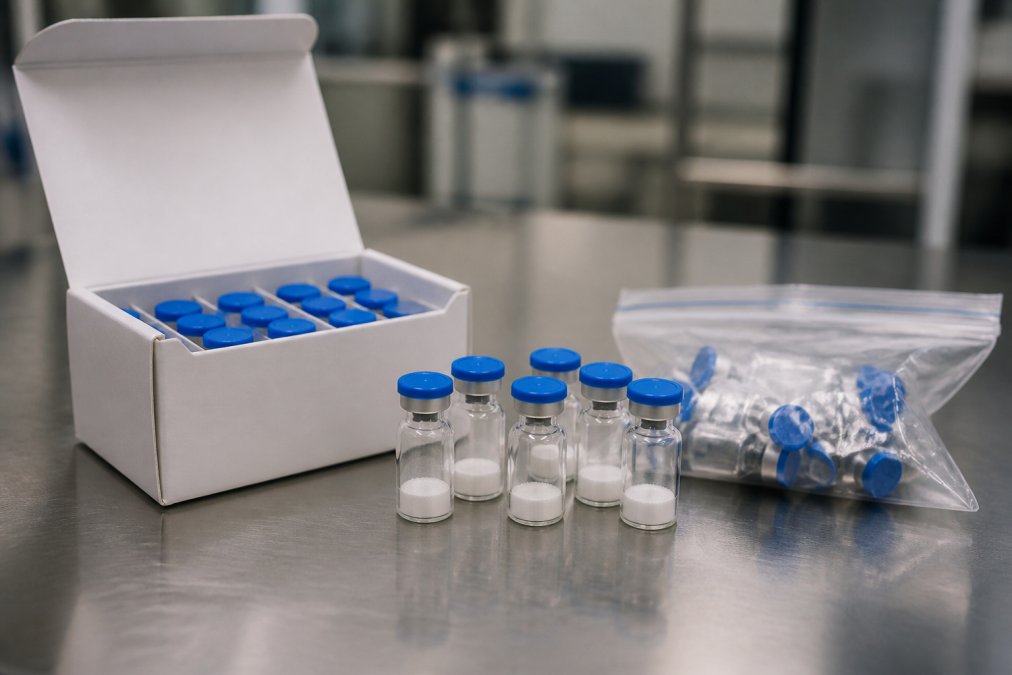
 listicle
Best Peptide Suppliers for Research: 2026 Guide
Table of Contents
- How We Evaluated These Peptide Suppliers
- Quick Comparison: Top Peptide Suppliers for Research
- Third-Party Peptide Testing: Why It Defines Supplier Quality
- How to Read a Certificate of Analysis for Research Peptides
- Supplier Profiles: Strengths, Weaknesses, and Best Fit
- Supply Chain Transparency: Sourcing Origin and Stability Data
- Peptide Storage and Handling Best Practices
- Frequently Asked Questions
Last Updated: August 29, 2026
Choosing the wrong peptide supplier invalidates experiments. At Online Peptide Sales, we work with research teams across the life sciences sector, and the most common procurement mistake is prioritizing price over documentation. This guide evaluates vendors on criteria that matter for scientific reproducibility: third-party testing rigor, certificate of analysis quality, supply chain transparency, and shipping reliability.
Quick Picks:
- Best for Supply Chain Transparency: Online Peptide Sales, Janoshik-verified batch reports, factory-direct sourcing, tamper-evident export packaging
- Best for Domestic Purity Standards: Protide Health, HPLC-UV and LC-MS verified batches, public CoA library
- Best for Product Format Variety: Limitless Life Nootropics, capsules, sprays, blends, and bioregulators with comprehensive testing
- Best for Custom Synthesis: Phoenix Pharmaceuticals, ISO 9001 certified, 55+ years of institutional experience
How We Evaluated These Peptide Suppliers
We assessed each supplier across six dimensions: third-party testing methodology (mass spectrometry, HPLC, lot-specific results), certificate of analysis accessibility (public vs. account-gated), purity and potency standards (independent verification), manufacturing standards (GMP, ISO 9001, or research-grade), shipping and logistics reliability (cold chain, tamper-evident packaging, customs documentation), and customer support transparency (sourcing origin, batch consistency, degradation data).
A common mistake is treating any supplier with a CoA as equivalent. The real differentiator is whether that CoA is batch-specific, produced by an independent lab, and includes contaminant analysis beyond basic purity percentages.
Quick Comparison: Top Peptide Suppliers for Research
| Supplier | Testing Methods | CoA Type | Manufacturing | Best For |
|---|---|---|---|---|
| Online Peptide Sales | Janoshik-verified | Lot-specific, identified batches | Factory-direct from China | Supply chain transparency, volume kits |
| Protide Health | HPLC-UV, LC-MS, Endotoxin | Batch-specific, public library | US-based | Verified purity, institutional labs |
| PureRawz | MZ Biolabs third-party | Batch-specific, product page | US-based | Wide compound catalog |
| Swiss Chems | Independent lab | Variable, not always batch-tied | US-based | Broad catalog, international shipping |
| Phoenix Pharmaceuticals | ISO 9001 in-house | Custom, quote-based | US in-house | Custom synthesis, academic accounts |
| Limitless Life Nootropics | HPLC, LC-MS, sterility, endotoxin | Third-party | US-based | Format variety, strong testing |
Third-Party Peptide Testing: Why It Defines Supplier Quality
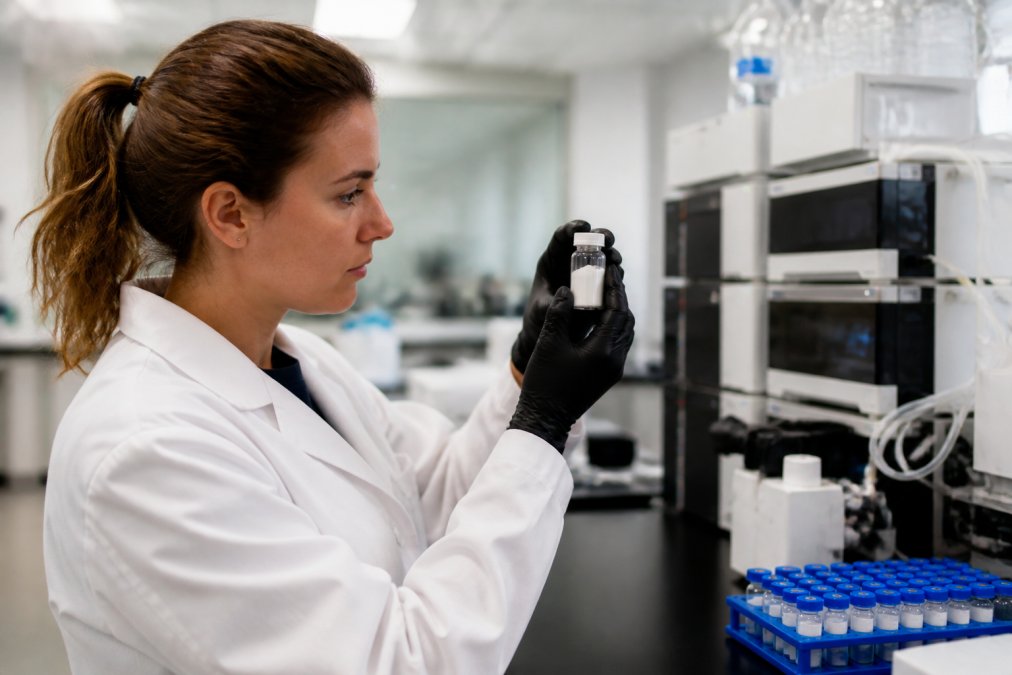
Third-party peptide testing is independent analytical verification of a peptide's identity, purity, and safety profile by a laboratory with no financial stake in the outcome. Without it, purity claims are self-reported and scientifically unverifiable.
The market separates into two tiers. Tier one suppliers provide lot-specific reports from named independent laboratories using validated analytical methods. Tier two suppliers omit testing documentation or provide generic certificates untraceable to specific production batches. For research requiring scientific reproducibility, tier two documentation is functionally worthless. Before placing any order, request the lot-specific CoA for the exact batch you will receive. If the supplier cannot produce one, treat that as disqualifying regardless of price.
Mass Spectrometry and HPLC: The Gold Standard Methods
HPLC measures purity by separating the peptide from impurities and quantifying each fraction. Results above 98% HPLC purity are generally research-grade. Mass spectrometry confirms molecular identity by measuring molecular weight against the theoretical peptide sequence. Together, they confirm both what the compound is and how pure it is. Some suppliers report only one method, leaving gaps in validation. Both are required for full verification.
According to USP guidelines on analytical method validation, validated methods must demonstrate specificity, linearity, accuracy, and precision, criteria that apply directly to peptide batch testing.
Endotoxin Levels, Trifluoroacetate Content, and Contaminant Analysis
Purity percentage alone does not capture the full safety profile. Endotoxins are bacterial cell wall components that trigger inflammatory responses in biological assays, confounding results in cell-based or in vivo studies. Quality suppliers include endotoxin testing in their CoA.
Trifluoroacetate is a synthesis byproduct from solid-phase peptide synthesis cleavage. Residual trifluoroacetate affects cell viability assays and other biological systems. A CoA that includes trifluoroacetate content data signals higher analytical rigor.
How to Read a Certificate of Analysis for Research Peptides
A Certificate of Analysis records analytical results for a specific batch, including purity, identity confirmation, and contaminant measurements. A legitimate CoA should include: the compound name and peptide sequence, the lot or batch number, the testing date, the analytical methods used, the purity result, and the issuing laboratory's name and contact information.
Lot-Specific Data vs. Generic Documentation
Lot-specific data means the CoA references the exact production batch you are purchasing. The batch number on the document matches the batch number on your vial, allowing verification that tested and shipped material are identical.
Generic documentation means the supplier provides a single CoA for all batches of a compound, or a previous batch's CoA presented as current. Ask the supplier for the batch number before ordering, then confirm it matches the CoA provided. If they cannot tell you the batch number in advance, or if the CoA predates your order by months, proceed with caution.
Supplier Profiles: Strengths, Weaknesses, and Best Fit
Online Peptide Sales
Online Peptide Sales prioritizes supply chain transparency and verified batch documentation tied to factory-origin sourcing. As an authorized reseller of onlinepeptides.com, the company sources directly from manufacturers, compressing the supply chain and reducing substitution risk.
The core differentiator is Janoshik-verified batch reports. Janoshik is an independent analytical laboratory providing third-party confirmation of peptide identity and purity. Compounds ship in 10-vial research kits with tamper-evident packaging for secure international transit and optional delivery guarantee covering replacement or refund if shipment does not arrive.
Best for: Research teams requiring Janoshik-verified documentation, secure export packaging, and factory-direct pricing on 10-vial kit quantities.
Protide Health
Protide Health sets a high bar for domestic US suppliers on purity documentation. Their reported average batch purity of 99.53% is independently verified through HPLC-UV, LC-MS, and endotoxin testing. Their public CoA library is accessible before purchase, supporting institutional procurement workflows requiring documentation review during vendor approval.
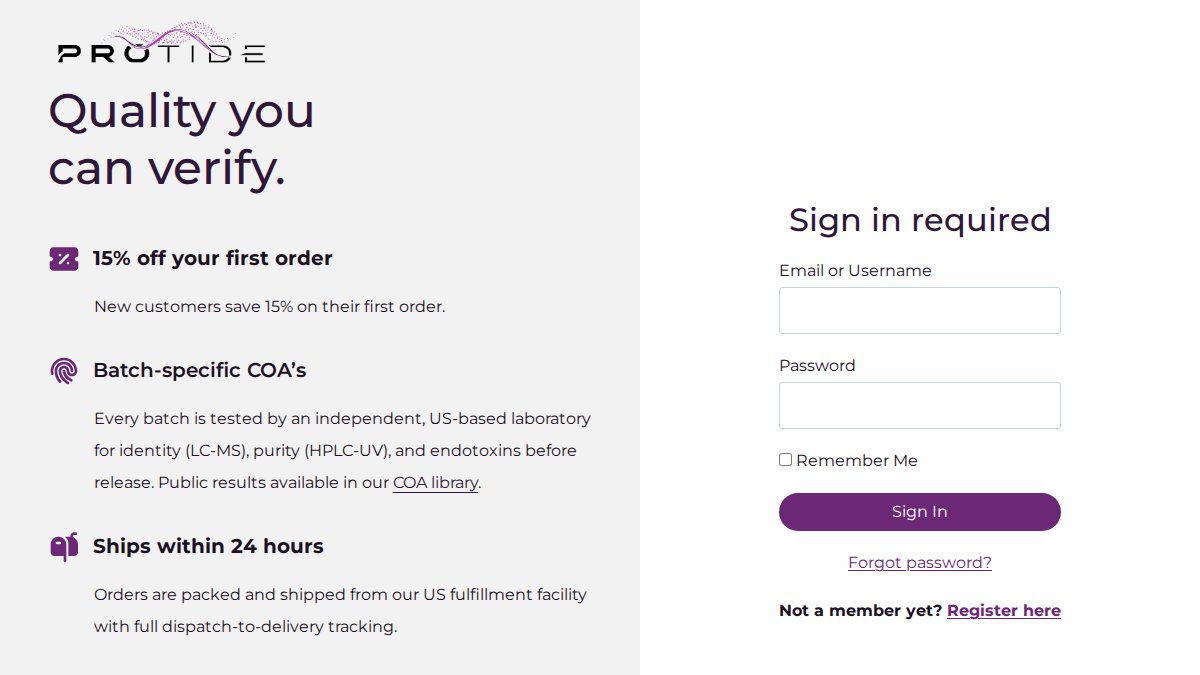
Best for: Qualified researchers and laboratory managers at US institutions requiring comprehensive, pre-purchase documentation access and highest purity verification standards.
PureRawz
PureRawz operates one of the broader compound catalogs, covering peptides, SARMs, nootropics, and GLP-1 compounds across multiple formats including powders, liquids, nasal sprays, and capsules. Batch-specific CoAs from MZ Biolabs are publicly posted on each product page.
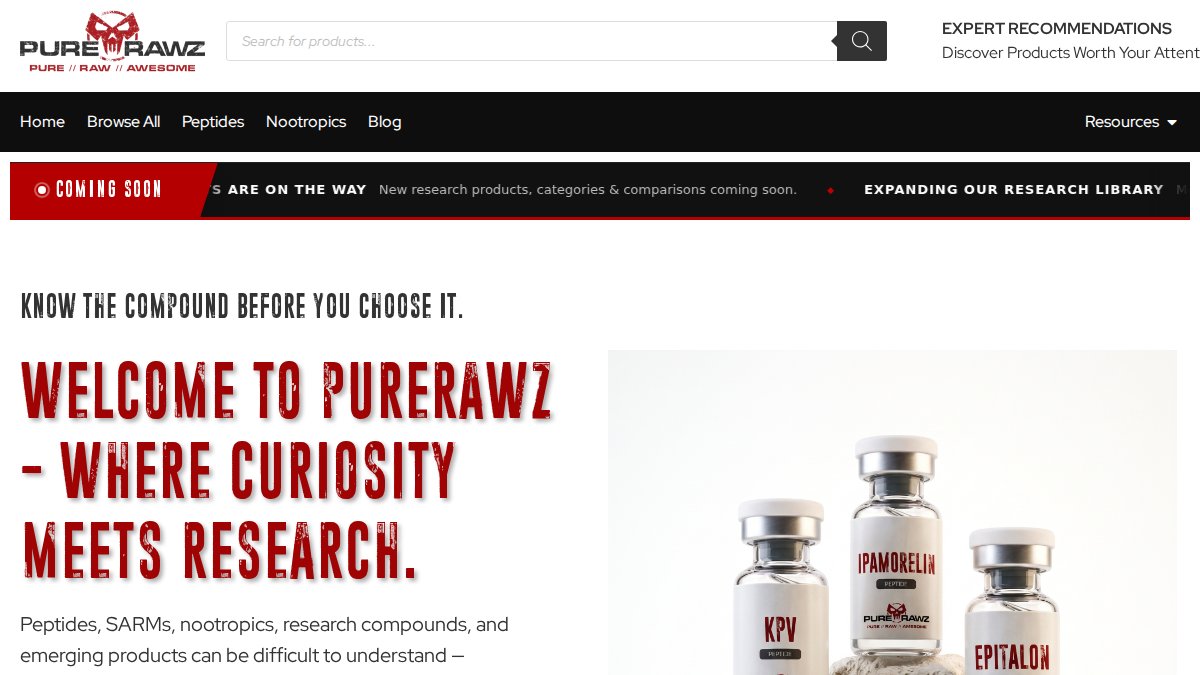
Best for: Researchers needing wide variety of compounds with readily available third-party testing documentation and format flexibility.
Swiss Chems
Swiss Chems has a long-established presence in the research compound market with an extensive catalog of classic peptides, blends, and related compounds. They provide independent test-results pages with CoAs on most product pages and offer broad geographic shipping coverage.

According to FDA warning letter database, Swiss Chems received an FDA warning letter in December 2024 for selling unapproved GLP-1 class drugs. For institutional procurement officers conducting vendor due diligence, that regulatory action is a material factor requiring consideration.
Best for: Researchers seeking broad compound availability with international shipping, where regulatory history has been reviewed and assessed as acceptable for the specific use case.
Phoenix Pharmaceuticals
Phoenix Pharmaceuticals is an ISO 9001 certified peptide manufacturer with over 55 years of combined experience, operating in-house US production facilities. Their focus is custom peptide synthesis for complex sequences, serving academic institutions and B2B research accounts. They do not sell to the general public, wellness clinics, or individuals. Pricing is quote-based and requires direct contact.
Best for: Academic institutions and pharmaceutical development labs requiring custom peptide sequences, bulk manufacturing, and ISO 9001 certification documentation standards.
Limitless Life Nootropics
Limitless Life Nootropics stands out for comprehensive testing protocols and diverse product formats. Testing includes HPLC, LC-MS, sterility, and endotoxin testing. Product formats extend to capsules, sprays, blends, and bioregulators, broader than most peptide suppliers offer.
Best for: Researchers needing diverse product formats and comprehensive testing documentation, particularly for studies requiring non-injectable administration routes.
Supply Chain Transparency: Sourcing Origin and Stability Data
Supply chain transparency is critical for research procurement. Sourcing origin matters because multi-tier distribution chains introduce substitution risk. Direct manufacturer relationships reduce that risk to a single point of accountability.
Long-term stability and degradation data is underserved in peptide procurement. Peptide stability depends on storage conditions, lyophilization quality, and specific peptide sequence. Most suppliers provide no stability data beyond a nominal expiration date. For research where compound integrity across multi-month studies is a variable, this gap is significant.
What to ask any supplier before ordering: What is the synthesis method and lyophilization quality? What stability testing has been performed, and over what timeframe? Is lot-specific stability data available? What is the sourcing origin of raw material, and how many tiers exist between manufacturer and your warehouse?
According to NIH guidelines on research reagent quality, reagent quality and characterization are foundational to scientific reproducibility, a principle applying directly to peptide sourcing decisions.
Peptide Storage and Handling Best Practices
Proper peptide storage begins when a shipment arrives. Most peptide degradation in research settings occurs from improper handling after receipt, not poor synthesis.

Long-term storage: -20°C or below, in a desiccated environment, away from light. Most lyophilized peptides remain stable for 12-24 months under these conditions.
Reconstituted peptides: Use within 24-72 hours if stored at 4°C. Freeze reconstituted aliquots at -80°C for longer-term use. Avoid repeated freeze-thaw cycles.
Solubility testing: Not all peptides dissolve readily in standard bacteriostatic water. Hydrophobic sequences may require dilute acetic acid or DMSO as a co-solvent. Confirm solubility protocol with your supplier before reconstitution.
Handling: Minimize exposure to ambient humidity and temperature. Open vials only in controlled environments. Use sterile technique throughout.
Cold chain integrity during shipping is equally important. Tamper-evident packaging maintaining temperature stability in transit is a quality assurance mechanism. For international shipments, shipping duration and customs clearance timeline both affect temperature exposure, making secure export packaging and express carrier selection critical.
As documented in USP Chapter 1079 on good storage and shipping practices, maintaining appropriate storage conditions throughout the distribution chain is a core component of pharmaceutical and research compound quality assurance.
The research peptide market contains many suppliers, and the gap between the best and worst is significant. Documentation quality, testing methodology, and supply chain transparency determine whether your research results are reproducible and defensible. Procurement decisions made on price alone routinely produce data that cannot be trusted.
Online Peptide Sales provides Janoshik-verified batch reports, factory-direct sourcing, and tamper-evident export packaging to address the documentation and logistics gaps that undermine research integrity. View Batch Lab Reports on the Online Peptide Sales website to confirm documentation quality before placing your order.
Frequently Asked Questions
What criteria should be used to evaluate a peptide supplier?
The most reliable peptide suppliers provide batch-specific Certificates of Analysis from independent labs, use analytical methods such as HPLC and mass spectrometry, and disclose purity levels above 98%. Beyond documentation, assess GMP or ISO certification status, supply chain transparency including sourcing origin, cold-chain shipping practices, and whether the supplier offers a delivery guarantee or replacement policy. Consistent lot-specific data across multiple batches is a stronger signal of quality assurance than a single posted result.
Why is third-party peptide testing important when buying research peptides?
Third-party testing removes the conflict of interest that exists when a supplier tests its own products. An independent lab verifying purity levels, molecular weight, endotoxin levels, and trifluoroacetate content gives researchers confidence that results are not self-reported or selectively published. For studies requiring scientific reproducibility, batch-verified data from accredited labs is often a prerequisite for institutional procurement and publication-quality documentation.
How can researchers verify the purity of research peptides?
Request the lot-specific Certificate of Analysis before purchasing. A credible CoA names the independent testing lab, states the analytical method used (typically HPLC-UV or LC-MS), reports purity as a percentage, and includes molecular weight confirmation. Cross-reference the peptide sequence and molecular weight against published databases. If a supplier only provides a generic or undated CoA without a named lab or batch number, treat that as a red flag for analytical validation gaps.
What are the risks of sourcing low-quality research peptides?
Low-quality peptides introduce variables that corrupt experimental data and can make results unreproducible. Common issues include underdosing, incorrect peptide sequences, high contaminant loads, and elevated endotoxin levels that interfere with biological assays. In institutional settings, using unverified reagent-grade material can invalidate study findings and create compliance problems. Suppliers lacking consistent third-party testing and batch consistency documentation present the highest risk to research integrity.
Where do peptide suppliers get their products, and how does sourcing origin affect quality?
Most research peptide suppliers source lyophilized powder through bulk synthesis facilities, primarily located in China, before repackaging or reselling. Supply chain transparency matters because it determines whether quality assurance checks happen at the manufacturing stage or only after import. Suppliers that disclose their manufacturing partners and provide factory-level documentation offer stronger accountability. Factory-direct sourcing with independent Janoshik or MZ Biolabs verification at the batch level provides the most traceable quality record.