 listicle
Reliable International Peptide Suppliers 2026
Table of Contents
- What Makes a Peptide Supplier Reliable
- How to Verify Certificate of Analysis (CoA) and Authenticity
- Peptide Third-Party Testing Requirements for Research
- Top International Peptide Suppliers: Comparison and Evaluation
- Research Peptide Procurement Checklist
- Cold-Chain Logistics and Regulatory Compliance
- Frequently Asked Questions
Last Updated: September 18, 2026
What Makes a Peptide Supplier Reliable
A reliable peptide supplier delivers consistent, verified compounds with transparent documentation and dependable logistics through three core factors: analytical verification, manufacturing transparency, and supply chain accountability.
When evaluating international peptide suppliers, demand Certificate of Analysis (CoA) documentation and third-party testing results, the foundation of credibility. Suppliers refusing to share batch reports signal risk.
Critical suppliers maintain cold-chain logistics, offer traceability from synthesis to delivery, and respond quickly to issues. One bad batch can invalidate months of work.
Online Peptide Sales exemplifies this approach by providing Janoshik-verified batch reports for identified samples.
How to Verify Certificate of Analysis (CoA) and Authenticity
A Certificate of Analysis is your primary defense against counterfeit or degraded compounds, but not all CoAs are created equal, some suppliers issue them without independent verification.
Verify the CoA comes from a third-party laboratory, not the supplier, third-party labs have no financial incentive to falsify results. Look for HPLC, mass spectrometry, or NMR methods, the gold standards for peptide verification.
Authentic CoAs include measurable data points:
- Molecular weight verification
- Purity percentage (typically expressed as % by HPLC)
- Endotoxin levels
- Moisture content
- Identity confirmation via mass spectrometry
Cross-reference batch numbers on the CoA and shipment, mismatches indicate labeling errors or substitution. Request CoAs before ordering; confident suppliers provide them upfront.
FDA guidance on pharmaceutical batch testing
Peptide Third-Party Testing Requirements for Research
Third-party testing separates legitimate suppliers from those cutting corners. Independent labs verify supplier claims, but not all labs carry equal weight, evaluating the testing lab itself is as important as understanding the tests performed.
The most rigorous testing protocols include:
- High-Performance Liquid Chromatography (HPLC): Measures purity by separating peptide components and quantifying the target compound. Look for methods that specify the column type, mobile phase composition, and detection wavelength, vague HPLC reports lack reproducibility.
- Mass Spectrometry: Confirms molecular weight and identity with precision to the single Dalton. Matrix-assisted laser desorption/ionization (MALDI) or electrospray ionization (ESI) are standard for peptides; the report should specify which method was used.
- Endotoxin Testing: Detects bacterial contamination using the Limulus Amebocyte Lysate (LAL) assay, critical for compounds used in cell culture or animal studies. Results should be expressed in endotoxin units per milligram (EU/mg).
- Stability Testing: Verifies that compounds remain potent under specified storage conditions (typically 2-8°C and room temperature). Legitimate reports include degradation curves showing potency loss over weeks or months.
Research-grade peptides require purity above 95% by HPLC; below 90% introduces significant experimental variables. Reject spot-checked testing; demand batch-specific testing instead.
How to Verify the Testing Lab's Credibility:
Confirm the laboratory's ISO/IEC 17025 accreditation, which certifies international standards for competence and impartiality. Request the accreditation certificate and verify it through the accrediting body. Accreditation removes financial incentive to falsify data through unannounced audits.
Verify the lab is independent from the supplier, a red flag is supplier ownership of the testing lab. Contact the lab directly to confirm your specific batch was analyzed.
Review the lab's scope of accreditation for peptide testing specifically. The accreditation certificate should list peptide purity and identity testing explicitly.
Commissioning Independent Verification:
If you distrust a supplier's results, commission independent testing from an ISO 17025-accredited lab like Janoshik. Document batch number, supplier name, and date received before sending samples.
The best suppliers maintain stability data showing compound degradation over time at 2-8°C, 25°C, and 40°C, helping you assess whether aged vials remain reliable and demonstrating rigorous quality monitoring.
Top International Peptide Suppliers: Comparison and Evaluation
Online Peptide Sales: Factory-Direct Verified Compounds
Online Peptide Sales delivers research compounds directly from Chinese manufacturers with full analytical transparency, providing Janoshik-verified batch reports for every 10-vial kit.
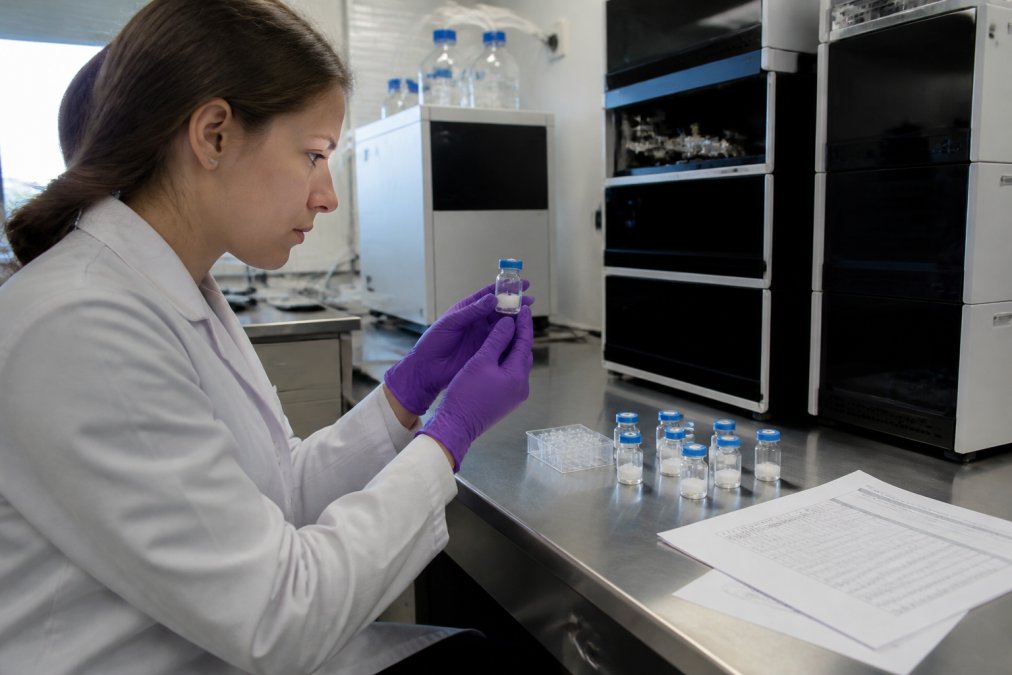
What works: Factory-direct pricing reduces markup. The 10-vial kit balances bulk savings with manageable quantities. Janoshik verification confirms purity and potency. Tamper-evident seals protect compounds during transit.
What to consider: The 10-vial format may not suit labs requiring custom sizes. Lead times depend on manufacturing schedules and international shipping.
Best for: Research teams needing verified compounds at competitive pricing with transparent batch documentation and reliable international delivery.
Biosynth: Global Manufacturing and Custom Synthesis
Biosynth operates vivitide, Pepscan, and Pepceuticals, ISO-certified facilities specializing in custom peptide synthesis for pharmaceutical and research applications.
What works: Global manufacturing footprint enables large-scale production and custom synthesis. ISO certification ensures quality management. Institutional accounts receive dedicated technical support.
What to consider: Targets institutional buyers and pharmaceutical companies. Pricing requires quotation. Minimum orders may exceed small lab budgets. Custom synthesis extends lead times.
Best for: Pharmaceutical companies and large research institutions requiring industrial-scale custom peptide synthesis with comprehensive regulatory documentation.
Phoenix Pharmaceuticals: ISO-Certified Institutional Supply
Phoenix Pharmaceuticals maintains ISO 9001:2015 certification and supplies research peptides to qualified institutional accounts with an extensive catalog and custom synthesis options.
What works: Long-standing reputation for reliability. ISO certification ensures rigorous standards. Direct supply bypasses resellers, reducing cost and improving traceability.
What to consider: Account qualification screens buyers. Catalog-based ordering limits flexibility. Pricing may not suit small labs.
Best for: Academic and institutional laboratories with established procurement processes and verified research credentials.
Victory Select: Third-Party Transparency Focus
Victory Select prioritizes batch-level transparency through third-party testing and detailed CoA reporting, with independent verification before shipment.
What works: Strong emphasis on third-party verification distinguishes Victory Select. Transparent CoA reporting builds confidence in authenticity. Secure shipping protects compound integrity.
What to consider: Limited custom synthesis; focuses on catalog compounds. Pricing reflects comprehensive third-party testing costs. Specialized compounds may require longer lead times.
Best for: Researchers prioritizing analytical transparency and batch-level verification over custom synthesis flexibility.
Bachem: Industrial-Scale cGMP Manufacturing
Bachem operates large-scale cGMP manufacturing for pharmaceutical companies and contract research organizations, handling complex synthesis, conjugation, and full-service support from development through commercialization.
What works: Industry-leading scale and quality standards. cGMP compliance enables pharmaceutical-grade supply. Full-service support from development through scale-up.
What to consider: Targets pharmaceutical and large organizations. Requires significant minimum orders and development timelines. Pricing reflects industrial scale, not competitive for small labs.
Best for: Pharmaceutical companies and large research organizations requiring industrial-scale manufacturing with cGMP compliance and complex synthesis capabilities.
Research Peptide Procurement Checklist
Before placing an order with any international peptide supplier, verify these elements:
- Request and review Certificate of Analysis (CoA) from a third-party laboratory
- Confirm batch number matches between CoA and shipment documentation
- Verify purity percentage, target 95% or higher by HPLC
- Check molecular weight confirmation via mass spectrometry
- Review endotoxin testing results if applicable to your research
- Confirm cold-chain shipping and tamper-evident packaging options
- Verify supplier's regulatory compliance status and certifications
- Establish communication protocol for post-delivery issues or contamination
- Document supplier contact information and order tracking details
- Request stability data showing compound degradation over time
Cold-Chain Logistics and Regulatory Compliance
International peptide shipping requires careful temperature control and regulatory documentation. Improper handling during transit compromises shipments, and importing across borders involves legal complexities varying by compound, destination, and intended use.
Cold-Chain Infrastructure and Temperature Monitoring:
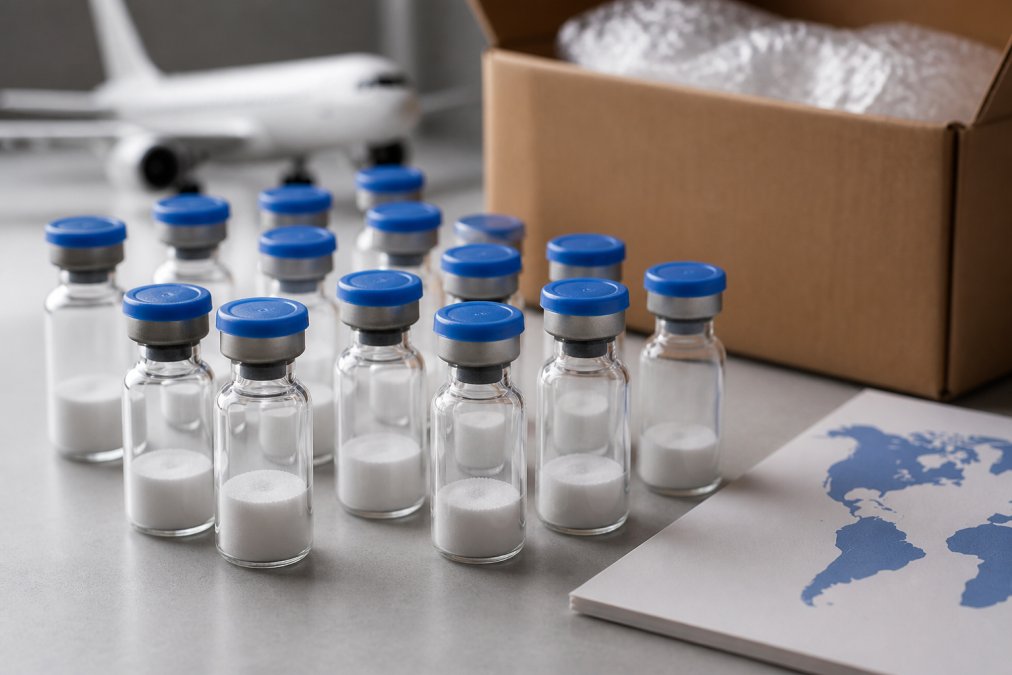
Cold-chain logistics maintains 2-8°C from manufacturing through delivery using insulated packaging with ice packs. Premium suppliers offer temperature-monitored shipping with interval readings proving compounds remained within safe ranges.
Verify the supplier's cold-chain protocol: insulation material, duration at 2-8°C under worst-case conditions, temperature data logger inclusion, and policy for temperature excursions during transit.
Reputable suppliers replace shipments with documented temperature failures.
Regulatory Framework for Peptide Imports:
Importing research peptides into the United States involves multiple regulatory agencies and depends on the peptide's classification, purity, and intended use.
FDA Jurisdiction: The FDA regulates peptides as drugs, biologics, or research chemicals depending on structure and intended application. Most research-grade peptides marketed "for research purposes only" fall outside FDA approval requirements for qualified research institutions. However, the FDA can inspect and detain shipments if documentation is incomplete or human use is suspected.
Supplier Export Documentation:
Institutional Compliance:
The most reliable international suppliers invest in cold-chain infrastructure and maintain detailed export documentation because they understand that temperature control and regulatory compliance directly impact research validity and delivery timelines. Cheap shipping usually means unmonitored transit, degraded compounds, and customs delays. Budget for premium cold-chain shipping and verify export documentation before placing orders. ::: Rigorous vetting protocols remain the most effective safeguard against supply chain instability, making the process of identifying reliable research suppliers an essential component of any successful laboratory procurement strategy.
Frequently Asked Questions
How do I know if an international peptide supplier is legitimate?
Verify that the supplier provides third-party analytical testing results, specifically Certificate of Analysis (CoA) documentation from independent labs. Check for ISO certifications, regulatory compliance documentation, and transparent manufacturing information. Legitimate suppliers clearly disclose their supply chain, offer batch-specific verification, and maintain consistent quality standards.
What is the role of third-party testing in peptide procurement?
Third-party testing provides independent verification of peptide purity, potency, and safety, critical for research validity. Testing typically includes high-performance liquid chromatography (HPLC), mass spectrometry, and endotoxin analysis. This verification prevents contamination issues and ensures batch consistency across orders. When selecting peptide suppliers, confirm they use accredited independent laboratories and provide detailed analytical reports for every batch, not just spot-checks.
What should I look for in a Certificate of Analysis (CoA)?
A complete CoA should include batch number, synthesis date, purity percentage (typically >95% for research-grade), molecular weight verification, HPLC and mass spectrometry results, endotoxin levels, and the testing laboratory's credentials. Verify the CoA is from an independent third party, not the supplier's internal lab. Check that the batch number matches your shipment exactly. Request CoAs before purchase to confirm they meet your research specifications and regulatory requirements.
Are international peptide suppliers compliant with research standards?
Reputable international suppliers maintain compliance with FDA research standards and international quality guidelines. Verify they understand import/export regulations and provide proper documentation for customs clearance. Confirm their cold-chain logistics protocols maintain peptide stability during transit and that they offer secure, tamper-evident packaging for international shipment.