 how-to
Signs of Contaminated Research Peptides
Table of Contents
- What Contaminated Research Peptides Look Like
- Common Sources of Peptide Contamination
- How to Read a Peptide Certificate of Analysis
- Peptide Purity Testing Methods
- Endotoxin Testing for Peptides
- Peptide Degradation Signs and Timeline
- Injection-Site and Systemic Reactions
- What to Do If You Suspect Contamination
- Frequently Asked Questions
Last Updated: October 10, 2026
What Contaminated Research Peptides Look Like
Contaminated research peptides pose serious risks to laboratory work and researcher safety. Online Peptide Sales provides Janoshik-verified batch reports to help researchers identify quality issues before use.
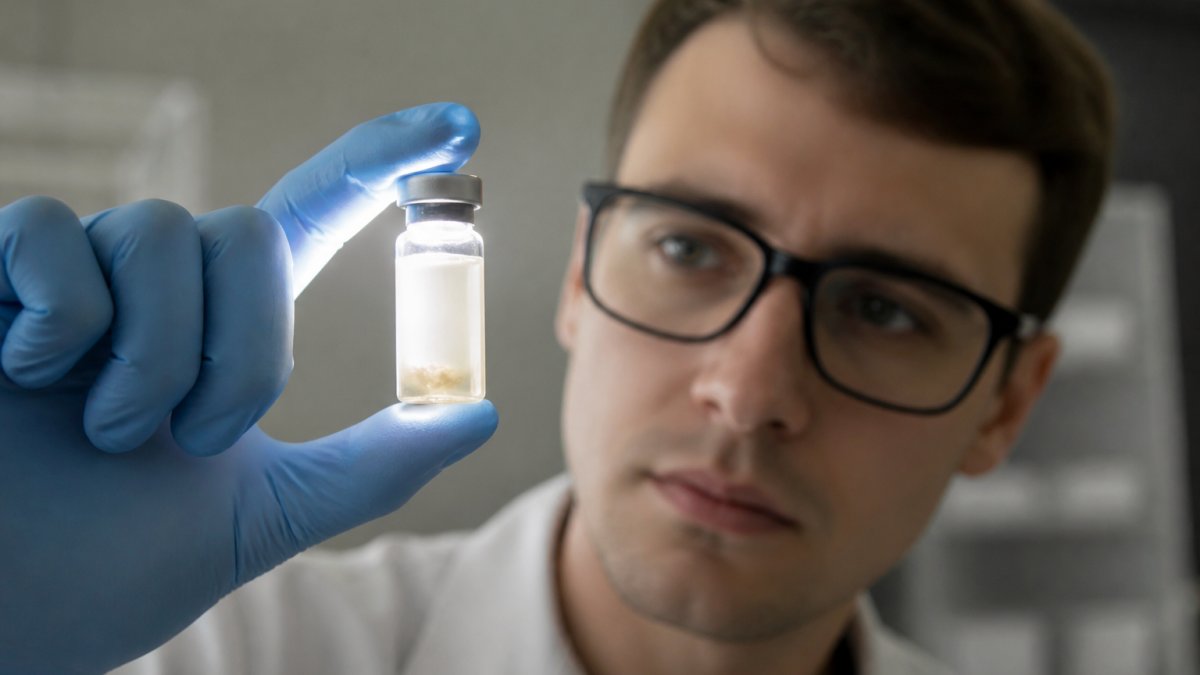
Visible physical changes
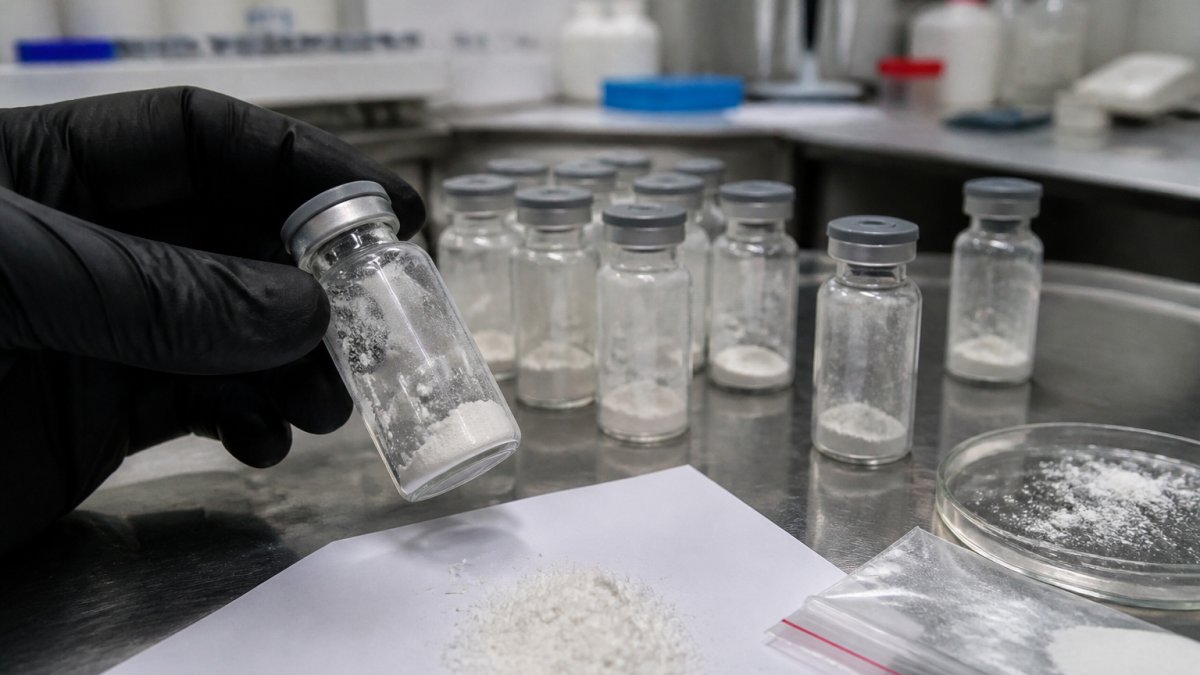
A clear solution that becomes cloudy, hazy, or discolored (brown, gray, or unexpected hue) indicates potential contamination or microbial growth.
Visible particles, floating debris, crystalline formations, films on vial walls, or layer separation, are definitive contamination signs.
Odor and chemical changes
An unusual smell, sulfurous, ammonia-like, or sharp chemical odors, indicates bacterial activity or degradation in contaminated research peptides.
Thickened consistency, gel-like texture, or unexpected crystallization indicate compromised peptide integrity and the product should not be used.
Common Sources of Peptide Contamination
Improper storage, incorrect temperature, light exposure, or humidity, accelerates degradation and enables microbial colonization.
Non-sterile handling, opening vials in unsterile environments, using unsterilized equipment, leaving caps open, or using contaminated reconstitution liquids, introduces bacteria.
Manufacturing and transit issues can introduce contamination. Online Peptide Sales provides Janoshik-verified reports confirming purity standards before use.
How to Read a Peptide Certificate of Analysis
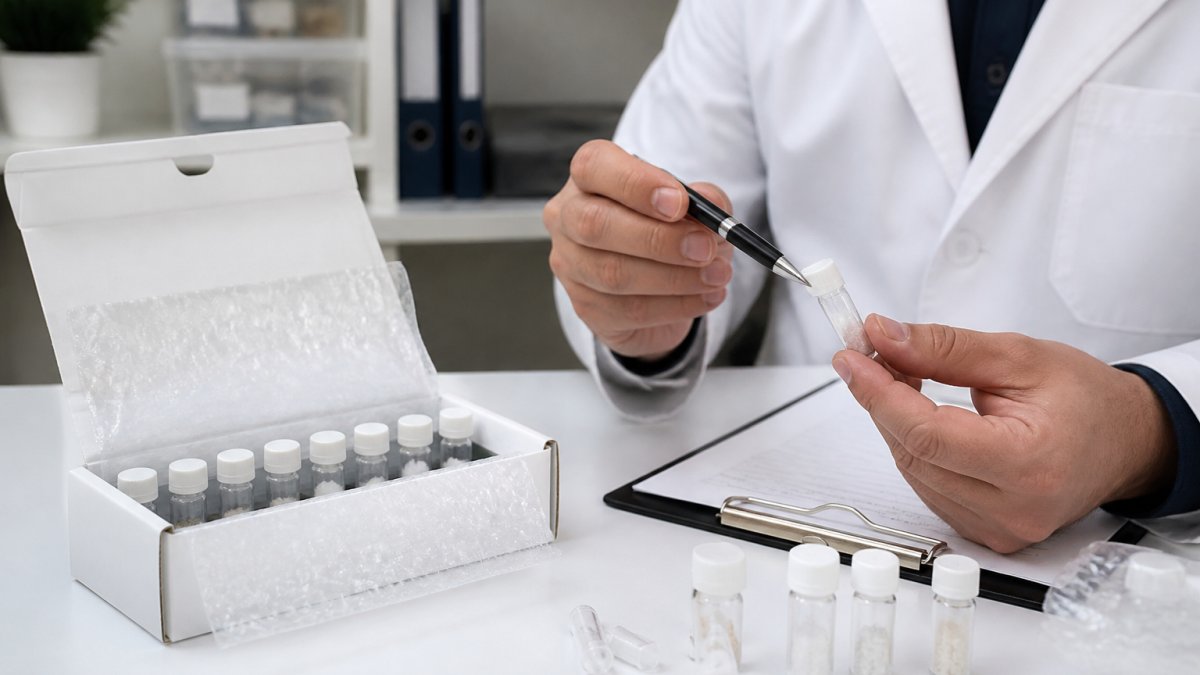
A Certificate of Analysis (CoA) contains batch composition, purity, and test results needed to verify product quality.
What a certificate should contain
A complete certificate includes batch ID, peptide identity, and purity percentage, the portion of product that is the intended peptide versus impurities.
A certificate should list identity confirmation, purity analysis, moisture content, endotoxin levels, and microbial testing results. The issuing laboratory name, accreditation, and recent testing date confirm legitimacy. Janoshik reports from Online Peptide Sales include these elements.
Red flags in batch reports
Incomplete certificates with blank sections or missing identity confirmation prevent batch quality verification.
Purity below 95% suggests contamination or degradation; most research requires 98% or higher.
Elevated endotoxin levels (lipopolysaccharides from bacterial cell walls) indicate bacterial contamination. Certificates should show ≤0.25 EU/mL for research peptides.
Positive microbial culture results are absolute disqualifiers. If bacteria or fungi were detected during testing, the batch is contaminated and should not be used under any circumstances.
Peptide Purity Testing Methods
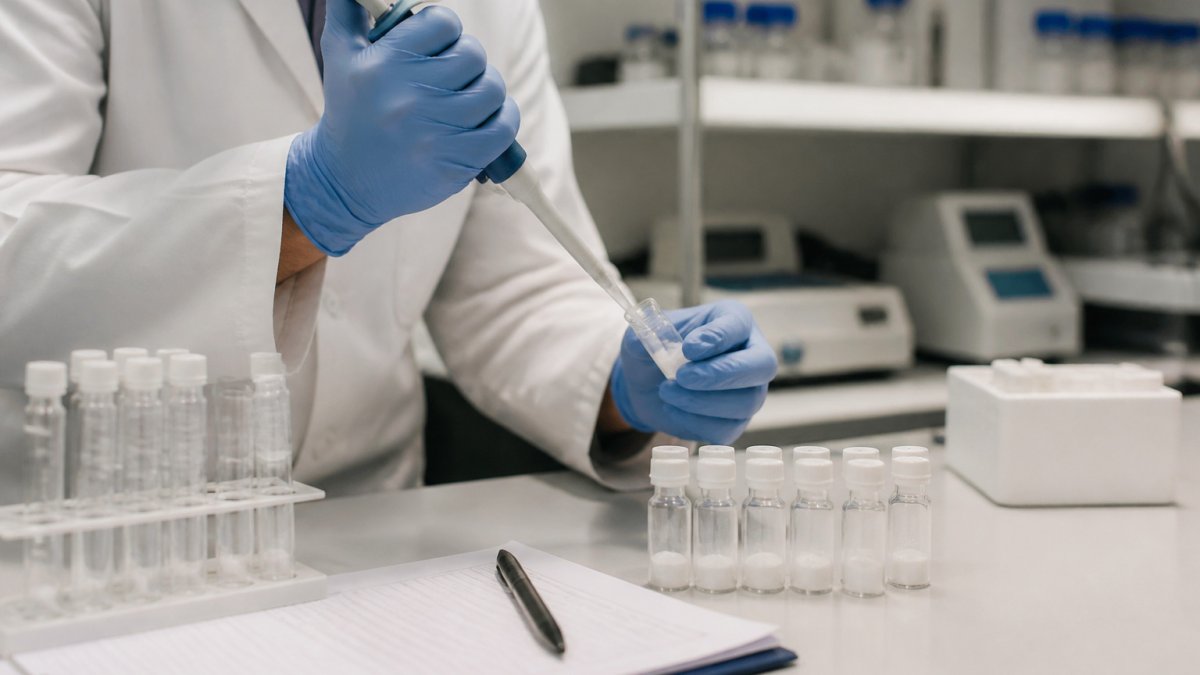
Laboratory verification establishes whether contaminated research peptides are actually present or whether the product meets acceptable standards. Multiple testing approaches provide different information about product quality.
Laboratory verification approaches
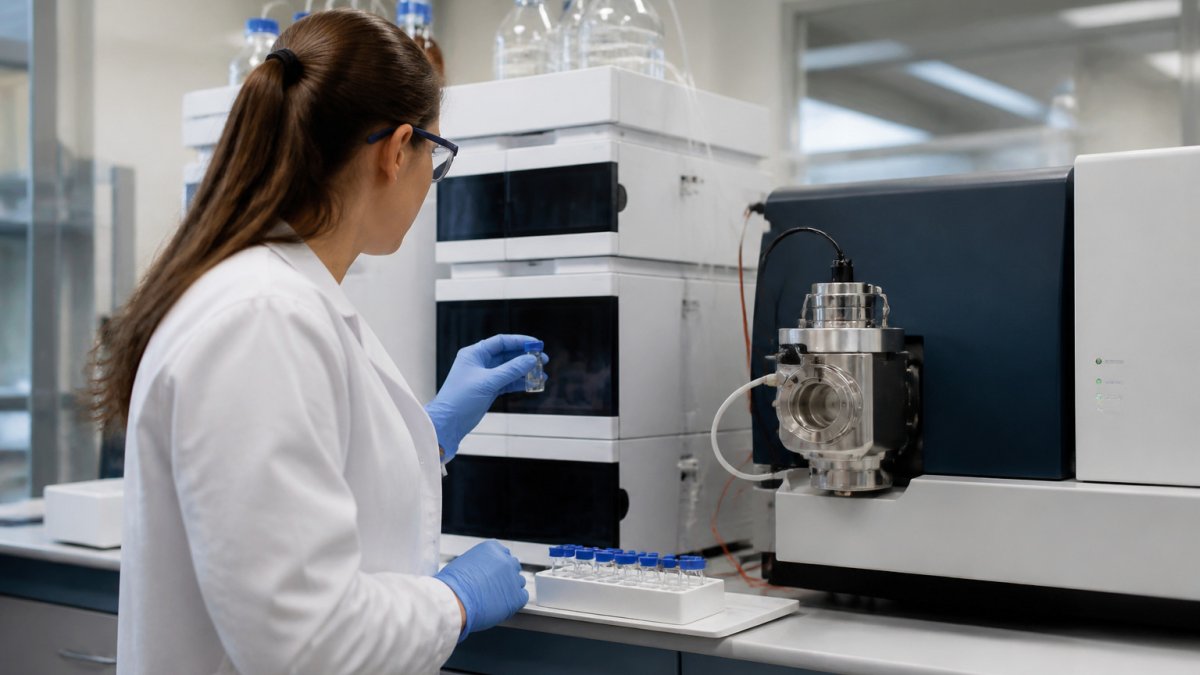
HPLC separates peptide components by chemical properties, identifying the target peptide and measuring its percentage; contamination appears as separate peaks.
Mass spectrometry confirms peptide identity by measuring molecular weight precisely, verifying the compound matches the label.
The LAL assay detects bacterial lipopolysaccharides at extremely low concentrations; essential for injectable peptides as endotoxins trigger fever and systemic inflammation in nanogram quantities.
Microbial culture incubates samples to detect living bacteria or fungi; positive results disqualify the batch. Turnaround is 5-7 days.
Endotoxin Testing for Peptides
Endotoxins are invisible bacterial fragments that trigger powerful immune responses; visual inspection cannot detect them.
Endotoxin contamination results from bacterial growth during manufacturing or contaminated reconstitution water. The LAL assay detects endotoxins as low as 0.01 EU/mL.
Standard endotoxin limits are ≤0.25 EU/mL. Janoshik-verified reports from Online Peptide Sales confirm batches meet these thresholds.
If endotoxin levels exceed acceptable limits, the product should not be used. Reconstituting contaminated research peptides with endotoxins in the solution amplifies the risk, as the endotoxins concentrate in the final preparation.
Peptide Degradation Signs and Timeline
Degradation, peptide breakdown from environmental stress, age, or chemical instability, produces warning signs similar to contamination.
Early degradation shows no visible signs; laboratory testing is more reliable than visual inspection.
As degradation accelerates, discoloration, haze, and odor changes develop; purity drops and the product becomes unsuitable for research.
Storage conditions determine degradation speed: room temperature degrades faster than 4°C or -20°C; light and humidity accelerate degradation and contamination.
Degradation timeline varies by peptide and storage conditions. Comparing the certificate date to current date estimates degradation.
Injection-Site and Systemic Reactions
Distinguishing expected injection responses from contamination-related reactions is essential to recognize genuine warning signs requiring medical evaluation.
Expected responses vs. contamination signs
Minor redness, mild swelling, or warmth within 1-4 hours is normal; resolves within 24 hours without spreading.
Peptide compounds can trigger dose-dependent, reproducible localized reactions (vasodilation, histamine release) that resolve predictably, not contamination signs.
Contamination-related infection shows spreading redness, increasing swelling after 24 hours, pus, hot skin, red streaking toward lymph nodes, and worsening symptoms, signs of bacterial colonization requiring prompt medical evaluation.
Systemic symptoms: timing and severity thresholds
Endotoxin contamination produces rapid-onset fever (within 30 minutes-2 hours), chills, muscle aches, fatigue, and possible nausea, even nanogram quantities trigger systemic inflammation.
Bacterial contamination produces slower systemic response: fever 4-12+ hours post-injection, progressive weakness, less dramatic chills, worsening symptoms.
Allergic reactions (not contamination) present as rash, hives, itching, flushing, or mild swelling within minutes-1 hour; resolve with antihistamines and reflect individual sensitivity.
Symptom severity and action thresholds
| Symptom Pattern | Timeline | Likely Cause | Action Required |
|---|---|---|---|
| Mild redness, resolves in 24 hours | 1-4 hours | Normal injection response | Monitor; no action needed |
| Localized itching or mild swelling | Minutes to 1 hour | Possible peptide sensitivity | Apply ice; consider antihistamine if recurs |
| Spreading redness, pus, or increasing swelling | 4-24 hours | Bacterial infection | Contact healthcare provider; may need antibiotics |
| Fever with chills, rapid onset | 30 minutes-2 hours | Likely endotoxin contamination | Contact healthcare provider or poison control; seek urgent care if fever exceeds 103°F or symptoms worsen |
| Severe systemic symptoms (confusion, severe weakness, difficulty breathing, chest pain) | Any timeline | Severe infection or systemic reaction | Seek emergency care (call 911) |
When to contact a healthcare provider
Seek medical evaluation if injection-site redness spreads after 24 hours, fever develops within hours with chills, or symptoms worsen despite rest.
Provide the healthcare provider with injection time, vial batch number, visible changes to the peptide, symptom timeline, and certificate of analysis. Endotoxin contamination typically requires supportive care (fluids, rest, fever management); severe reactions may require hospitalization.
What to Do If You Suspect Contamination
A structured response to suspected contamination prevents harm, preserves evidence, and identifies the source.
Immediate response checklist (first 30 minutes)
If you have NOT yet injected the peptide:
- Stop use immediately; contamination may be distributed throughout despite localized appearance.
- Isolate the vial in cool, dark storage; label as "Suspected Contamination, Do Not Use."
- Document the date, time, observations (cloudiness, color, odor, particles), batch number, certificate number, and storage conditions.
- Locate your Janoshik report or third-party testing document.
- Contact Online Peptide Sales with batch number, certificate number, and observations for investigation.
If injection has already occurred:
- Note injection time, site location, batch number, and visible peptide changes immediately.
- Monitor at 30 minutes, 2 hours, 4 hours, and 24 hours for fever (≥100.4°F), injection-site changes, and systemic symptoms; document findings.
- Isolate the vial; do not discard.
- Contact Online Peptide Sales with batch number and observations.
Symptom monitoring and escalation (0-24 hours post-injection)
No symptoms or only mild localized redness (expected response):
- Continue monitoring for 24 hours.
- Apply ice to the injection site if swelling is uncomfortable.
- No medical contact needed unless symptoms change.
Spreading redness, increasing swelling, or pus at injection site (4-24 hours):
- Contact your healthcare provider or an urgent care clinic.
- Describe the progression of redness and any drainage.
- Provide the vial batch number and your observations of the peptide before injection.
- A healthcare provider may prescribe antibiotics if bacterial infection is suspected.
Fever with chills (within 2 hours of injection):
- This pattern suggests possible endotoxin contamination.
- Contact your healthcare provider or call Poison Control immediately. (Poison Control: 1-800-222-1222, available 24/7.)
- Provide:
- The time of injection and current time.
- Current body temperature.
- Description of any visible changes to the peptide before injection.
- Vial batch number.
- The certificate of analysis number (if available).
- Poison Control can assess contamination risk and advise whether emergency care is needed.
- In the meantime, rest, drink fluids, and monitor temperature every 15-30 minutes.
Severe systemic symptoms (any time post-injection):
- Severe fever (≥103°F).
- Difficulty breathing or chest pain.
- Confusion or altered mental status.
- Severe weakness or inability to stand.
- Rapid heart rate (>120 bpm) with dizziness.
- Call 911 or go to the nearest emergency department immediately.
- Inform emergency personnel that you injected a research peptide and suspect contamination. Provide the vial batch number and any observations about the peptide's appearance.
Laboratory confirmation (24-72 hours)
If you suspect contamination but visual signs are subtle, or if symptoms developed and you want definitive confirmation of the cause, laboratory testing provides answers.
When to pursue laboratory testing:
- You observed subtle changes (slight discoloration, faint odor) but are uncertain whether contamination occurred.
- Symptoms developed after injection and you want to confirm whether endotoxin or bacterial contamination was the cause.
- Multiple batches show similar changes, suggesting a systemic problem.
- You are considering a claim about product quality or adverse reaction and need documented evidence.
What tests to request:
-
HPLC (High-Performance Liquid Chromatography), Confirms purity and identifies degradation products or contaminants. Cost and turnaround vary by laboratory; typical turnaround is 3-5 business days.
-
Endotoxin testing (LAL assay), Detects bacterial lipopolysaccharides. Essential if fever or systemic symptoms developed shortly after injection. Turnaround is typically 1-2 business days.
-
Microbial culture, Identifies living bacteria or fungi. Turnaround is 5-7 business days (cultures must incubate to allow colonies to grow).
How to submit a sample:
- Contact an independent testing laboratory (search for "peptide testing" or "pharmaceutical testing" in your area).
- Request a sterile sample container and submission instructions.
- Provide the vial batch number, certificate of analysis number, and a description of what you observed.
- Ask about turnaround time and cost before submitting.
- Request that results be sent to you and, if applicable, to your healthcare provider.
Interpreting results:
- HPLC purity below 95% indicates degradation or contamination has occurred.
- Any detectable endotoxin (typically reported in EU/mL) confirms bacterial contamination.
- Positive microbial culture confirms living bacteria or fungi are present.
- Normal results suggest the product was not contaminated, or contamination occurred after testing.
Documentation and follow-up
Keep detailed records of:
- All observations (dates, times, descriptions).
- Symptoms and their timeline (if injection occurred).
- Communications with Online Peptide Sales (dates, names, responses).
- Healthcare provider or Poison Control contact (date, time, advice given).
- Laboratory test results (if obtained).
- Any medical treatment or prescriptions.
If contamination is confirmed:
- Provide all documentation to Online Peptide Sales and request an investigation.
- If you received medical treatment, consider reporting the adverse event to the FDA's MedWatch program if the product was marketed as a research compound with known risks.
- If multiple batches show contamination, the pattern suggests a systemic problem with sourcing, manufacturing, or storage rather than isolated quality issues. This information is valuable for identifying the root cause and preventing future contamination.
When to seek legal or regulatory guidance:
- If you experienced serious harm (hospitalization, prolonged illness, permanent injury).
- If multiple people were affected by the same batch.
- If the supplier does not respond to contamination reports or refuses to investigate.
Frequently Asked Questions
How can I tell if my research peptides are contaminated?
Contaminated research peptides often show visible signs like cloudiness, discoloration, or unusual particles in the solution. Check for odor changes such as sulfurous or ammonia-like smells, which indicate bacterial or chemical degradation. However, appearance alone cannot confirm contamination; a Janoshik-verified batch report provides definitive purity and endotoxin testing results. If you suspect contamination, do not use the product and request laboratory testing through your supplier.
What does a peptide certificate of analysis tell you about purity?
A certificate of analysis documents the results of peptide purity testing, showing the percentage of active peptide versus impurities, byproducts, and residual solvents. It identifies the testing methods used, such as high-performance liquid chromatography (HPLC), and lists endotoxin levels, sterility status, and identity confirmation. A complete certificate from a third-party laboratory like Janoshik provides evidence that the peptide meets stated specifications and has not been contaminated during manufacturing or storage.
What is endotoxin testing for peptides, and why does it matter?
Endotoxin testing for peptides measures lipopolysaccharide (LPS) levels released by gram-negative bacteria. Endotoxins trigger pyrogenic reactions, causing fever, chills, and inflammation even in tiny amounts. Research-use peptides must be tested for endotoxin contamination to ensure safe handling and accurate experimental results. Janoshik-verified batch reports include endotoxin assay results, confirming the product is free from bacterial contamination that could compromise your research.
Can a peptide look normal but still be contaminated?
Yes. Microbial contamination, endotoxin, and certain chemical degradation pathways may not produce visible signs immediately. A peptide vial can appear clear and colorless while containing bacterial lipopolysaccharides or degradation byproducts undetectable to the human eye. This is why laboratory testing through methods like endotoxin assays, sterility cultures, and identity verification is essential. Never rely on visual inspection alone; always request and review a third-party verified batch report before use.